
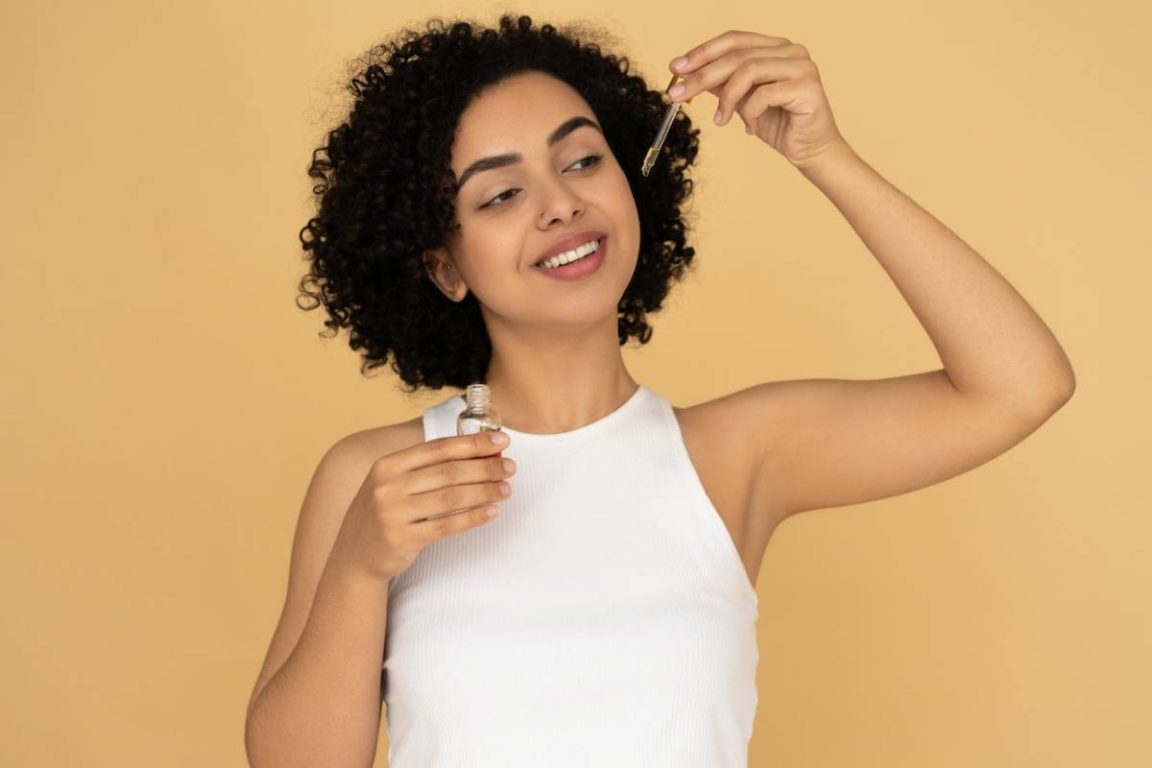
The best serums for dry skin are not simply the most expensive or trending products—they are formulas that combine humectants, barrier-repair ingredients, and occlusive support to restore moisture balance.
Dry skin is one of the most common skincare concerns worldwide. Many people experience tightness, flaky patches, or dull skin because their skin barrier struggles to retain moisture. While moisturizers help seal hydration, serums play a critical role because they deliver concentrated ingredients deeper into the skin.
The right serum can transform dry skin from rough and dull to soft, hydrated, and healthy.
Key Takeaways
-
Humectants like hyaluronic acid and glycerin attract water into the skin.
-
Barrier-repair ingredients such as ceramides and peptides strengthen the skin barrier.
-
The best results come from layering serum with moisturizer.
-
Global skincare prices vary depending on brand reputation and distribution.
-
Dermatologist-recommended formulas usually prioritize hydration over fragrance or trends.
Why Dry Skin Needs Serums
Dry skin occurs when the skin barrier loses its ability to retain moisture. This may happen due to environmental factors, harsh skincare products, aging, or genetics.
Serums are particularly effective because they contain smaller molecules and higher concentrations of active ingredients. Unlike heavy creams, serums absorb quickly and deliver hydration directly into the skin layers.
Typical symptoms that benefit from hydrating serums include:
-
Flaky patches
-
Tight feeling after cleansing
-
Dull appearance
-
Sensitivity to environmental changes
Dermatology organizations such as the American Academy of Dermatology often emphasize hydration-focused skincare routines for managing dryness.
Key Ingredients That Work for Dry Skin
Understanding ingredients is the most reliable way to choose an effective serum.
Humectants
Humectants attract water to the skin.
Common examples include:
-
Hyaluronic acid
-
Glycerin
-
Aloe vera
Hyaluronic acid can hold many times its weight in water, making it one of the most popular ingredients for hydration serums.
Barrier Repair Ingredients
Dry skin is often linked to a weakened skin barrier.
Ingredients that help repair the barrier include:
-
Ceramides
-
Peptides
-
Niacinamide
These components help reinforce the skin’s protective layer, reducing moisture loss.
Nourishing Ingredients
Some serums include nourishing elements that improve softness.
Examples include:
-
Vitamin E
-
Squalane
-
Plant oils
These ingredients provide additional support to prevent dryness.
How to Choose the Right Serum for Your Skin
Choosing a serum should be based on skin condition rather than marketing claims.
A simple framework:
Mild Dryness
Look for lightweight serums with:
-
Hyaluronic acid
-
Glycerin
Moderate Dryness
Choose formulas that include:
-
Ceramides
-
Peptides
Severe Dry Skin
Look for richer hydrating serums with:
-
Squalane
-
Vitamin E
-
Barrier repair ingredients
Sensitive skin users should avoid strong fragrances and alcohol-based formulations.
Top Global Serum Brands for Dry Skin
| Brand | Country | Key Ingredient | Avg Price |
|---|---|---|---|
| The Ordinary | Canada | Hyaluronic Acid | $8–$12 |
| La Roche-Posay | France | Hyaluronic Acid + Vitamin B5 | $30–$45 |
| CeraVe | USA | Ceramides | $20–$30 |
| Innisfree | South Korea | Green Tea Extract | $18–$28 |
| Minimalist | India | Hyaluronic Acid | $10–$18 |
These brands are widely recognized in dermatology discussions and global beauty markets.
Specialist Reviews Across Countries
| Country | Specialist Type | Common Recommendation | Clinic Pricing |
|---|---|---|---|
| USA | Dermatologist | Hyaluronic acid serums | $35–$90 |
| UK | Skin specialists | Ceramide repair serums | £30–£70 |
| South Korea | Cosmetic dermatology | Lightweight hydration formulas | $25–$60 |
| India | Dermatology clinics | Barrier repair serums | ₹800–₹3000 |
| Australia | Skin therapy clinics | Peptide serums | $40–$100 |
Organizations like the British Association of Dermatologists frequently recommend gentle hydration routines for managing dryness.
Global Beauty Price Comparison
| Country | Average Serum Price | Market Trend |
|---|---|---|
| USA | $30–$80 | Premium skincare growth |
| UK | £25–£70 | Dermatology brands popular |
| India | ₹800–₹3500 | Affordable clinical brands rising |
| South Korea | $20–$60 | Innovation-driven market |
| Australia | $35–$90 | Natural skincare demand |
How to Use Serums Correctly
A proper skincare routine improves results.
Morning routine
-
Gentle cleanser
-
Hydrating serum
-
Moisturizer
-
Sunscreen
Night routine
-
Cleanser
-
Serum
-
Rich moisturizer
Applying serum on slightly damp skin can help improve absorption.
Common Mistakes People Make
Many users do not get results because of routine mistakes.
Common issues include:
-
Applying serum on dry skin
-
Skipping moisturizer afterward
-
Using too many active ingredients
-
Expecting instant results
Hydration improvements usually appear after consistent use for several weeks.
Final Thoughts
Serums can be one of the most effective solutions for dry skin when chosen correctly. Instead of focusing solely on brand popularity, consumers should prioritize ingredient quality, skin compatibility, and consistent use.
By understanding hydration ingredients and following a structured skincare routine, it becomes easier to maintain healthy and moisturized skin throughout the year.
FAQs
What is the best serum ingredient for dry skin?
Hyaluronic acid is widely considered one of the best ingredients for dry skin because it attracts water into the skin. Many hydrating serums combine it with glycerin or ceramides for better results.
Can serums replace moisturizers?
No. Serums deliver concentrated ingredients but usually do not seal moisture. Moisturizers are necessary to lock hydration into the skin.
How often should I use a serum for dry skin?
Most hydrating serums can be used twice daily, once in the morning and once at night, as part of a regular skincare routine.
Are expensive serums better?
Not always. The effectiveness of a serum depends mainly on its ingredients rather than its price or brand name.
Can dry skin use vitamin C serums?
Yes, but hydrating serums are usually better for dryness. Vitamin C serums are more focused on brightening and antioxidant protection.