
Electricity prices in Spain once again are causing pain to millions of homes. The escalation of the wholesale prices of energy, peak prices, seasonal effects, and the subject of irregular weather conditions, as well as the continuous adaptation of the European energy market, are all factors affecting the cost of electricity prices.
For a lot of families, a hike in electricity prices is not just a rise that drains money out of the monthly budget it really does trickle into all aspects of a family life, and it’s all linked back to time spent inside the home, whether the household is comfy, the financial bottom-line and ultimately their emotional and physical health as.
With the majority of households searching for solutions to their dwindling budgets, there is no better time to know the causes and solutions to our increasing electricity demand.
What influences the cost of electricity in Spain? What impact does this have on the population? What are the effective ways to reduce the power consumption.
Electricity Prices in Spain Rise Again and Break a Record
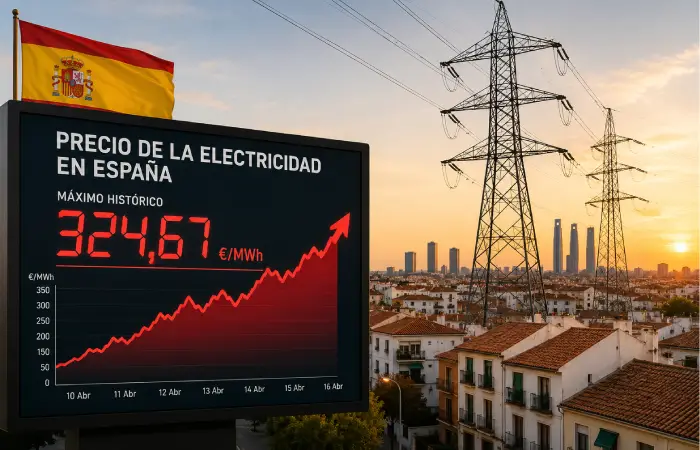
The electricity market in Spain has not escaped the attention of national headlines, which rose to levels record prices in periods of increased demand. Increased temperature, and as a result, higher electricity consumption, along with volatility in energy generation, have all driven electricity costs up across Spain.
Spain has vastly increased renewable energy output in recent years but wholesale prices can still vary and it reflects a combination of price indicators from the natural gas market, weather forecasts and the country’s overall demand. Renewable energy is a key step towards ultimately taking power generation out of reliance on fossil fuels but analysts say the wholesale market price spikes may not come as a surprise in the short to medium term.
What Did Pedro Sánchez Say About It?
His Spanish counterpart, Pedro Sanchez, has pointed out on numerous occasions that driving the expansion of renewable energy production is one of the country’s “best shields” against the fluctuating price of electricity. Sanchez, for example, claims that boosting the production of solar and wind energy will also help alleviate the nation’s reliance on imported fossil fuels, and protect the public from shocks on international energy markets.
The Government is also set to offer short term help to households and vulnerable consumers in times of extremely high energy costs, alongside ongoing investment in future energy security and clean electricity generation.
Will There Be More Cuts in Energy Bills?
Several government measures have been approved in recent years that attempt to alleviate the consequences of increases in electricity prices: tax measures on electricity – tax reductions, and reduction of VAT on periods of peak prices; mechanisms via the social electricity tariff (bono social);; measures for more vulnerable households.
Whether there will be any further cuts, that depends, and depends on future conditions in the market, as well as in the supply-demand side, as well as policy from government – market monitor and electricity price authorities have warned about volatile markets that maybe will continue so they can possibly come up with more support adjustments on price related things.
Price Rule Changes Explained
How Electricity prices in Spain work Electricity prices in the Spanish system are a mixture of wholesale market prices, network charges, taxes and consumer price structures.
Over the last few years, the Spanish energy regulators have updated the price rules to better fit hourly price dynamics on the market and incentives are in place to help consumers shift energy usage.
These pricing changes aim to:
- Improve energy efficiency.
- Encourage electricity use during off-peak hours.
- Better integrate renewable energy into the grid.
- Reduce pressure during periods of peak demand.
- Create a more flexible and resilient electricity system.
For consumers, understanding these pricing rules can help lower monthly electricity bills by scheduling energy-intensive activities—such as laundry, dishwashing, or electric vehicle charging—during less expensive hours whenever possible.
Why Are Electricity Prices Increasing in Spain?
Several interconnected factors contribute to the rising cost of electricity.
Higher Wholesale Energy Prices
Electricity suppliers purchase power through wholesale markets where prices fluctuate throughout the day. When demand exceeds supply or fuel costs rise, wholesale prices increase, eventually affecting consumer electricity bills.
Increased Demand During Extreme Weather
Heatwaves and cold spells significantly increase electricity consumption.
During summer:
- Air conditioners operate for longer periods.
- Refrigerators work harder.
- Fans and cooling appliances remain active throughout the day.
During winter:
- Electric heaters consume large amounts of power.
- Lighting usage increases due to shorter daylight hours.
When millions of homes consume more electricity simultaneously, market prices often rise.
Natural Gas Market Volatility
Although Spain continues expanding renewable energy, natural gas remains an important source for electricity generation.
Changes in global gas supplies, transportation costs, or international events can quickly influence electricity production costs.
Renewable Energy Variability
Spain has invested heavily in:
- Solar power
- Wind energy
- Hydroelectric generation
However, renewable production depends on weather conditions.
Cloudy days, limited wind, or drought conditions may reduce renewable output, requiring more expensive backup power generation. For more related articles visit our website
How High Electricity Prices Affect Families
Electricity costs influence far more than monthly utility bills.
Many households begin changing daily habits to reduce expenses.
Examples include:
- Limiting heating or cooling
- Using fewer electrical appliances
- Delaying laundry or dishwashing
- Reducing lighting
While these adjustments can save money, excessive reductions may negatively affect health and quality of life.
For example, insufficient cooling during severe heatwaves may increase the risk of dehydration or heat-related illness, particularly for older adults and young children.
Financial Stress and Household Wellbeing
Unexpected increases in electricity bills can create financial uncertainty.
Families may experience:
- Budget pressure
- Anxiety
- Sleep disturbances
- Increased stress
Financial stress is recognized as an important factor affecting overall wellbeing. Managing energy efficiently—not simply reducing usage—can help households maintain comfort while controlling costs.
Understanding Time-of-Use Electricity Pricing
Many electricity providers charge different prices depending on the time of day.
Typically:
Peak Hours
Electricity demand is highest, making prices more expensive.
Mid-Peak Hours
Prices are moderate.
Off-Peak Hours
Electricity is generally cheapest.
Running high-energy appliances during lower-cost periods can noticeably reduce monthly bills.
Appliances That Consume the Most Electricity
Not all household appliances use the same amount of energy.
Some of the biggest contributors include:
| Appliance | Typical Energy Use |
| Air conditioner | Very High |
| Electric heater | Very High |
| Water heater | High |
| Clothes dryer | High |
| Oven | High |
| Refrigerator | Medium (continuous) |
| Dishwasher | Medium |
| Washing machine | Medium |
| Television | Low |
| LED lighting | Very Low |
Understanding which appliances consume the most electricity helps households prioritize energy-saving efforts.
Smart Ways to Reduce Electricity Consumption
Reducing electricity usage does not necessarily mean sacrificing comfort.
Instead, focus on improving efficiency.
1. Replace Traditional Bulbs with LEDs
LED bulbs consume significantly less electricity while lasting much longer than incandescent bulbs.
They also produce less heat, making them especially useful during warmer months.
- Improve Home Insulation
Proper insulation helps maintain indoor temperatures.
Benefits include:
- Lower heating costs
- Reduced air conditioning usage
- More comfortable living spaces
Simple improvements such as sealing doors and windows can make a noticeable difference.
3. Adjust Thermostat Settings
Even small thermostat adjustments can reduce energy consumption.
Recommended temperatures often include:
- Around 24–26°C (75–79°F) for cooling during summer.
- Around 19–21°C (66–70°F) for heating during winter.
Comfortable settings vary by household, but avoiding extreme temperatures can lower electricity use.
4. Unplug Idle Electronics
Many electronic devices continue drawing power even when turned off.
Examples include:
- Televisions
- Gaming consoles
- Chargers
- Coffee machines
Using power strips with on/off switches makes it easier to eliminate standby power consumption.
5. Use Energy-Efficient Appliances
When replacing appliances, consider models with high energy-efficiency ratings.
Although they may cost more initially, they often reduce electricity expenses over time.
Making Better Use of Natural Light
Natural daylight reduces dependence on artificial lighting.
Simple habits include:
- Opening curtains during the day.
- Rearranging workspaces near windows.
- Keeping windows clean.
- Using lighter wall colors to reflect sunlight.
These small changes can lower electricity use while creating a brighter, more pleasant home environment.
Cooking More Efficiently
Kitchen appliances account for a significant portion of household electricity consumption.
Energy-saving tips include:
- Use lids when cooking.
- Match pot size to burner size.
- Cook multiple meals at once.
- Avoid opening the oven unnecessarily.
- Use microwave ovens for reheating smaller portions.
Efficient cooking saves both time and energy.
Why Energy Efficiency Supports Better Health
Energy-efficient homes often provide:
- More consistent indoor temperatures
- Improved comfort
- Better air quality
- Reduced financial stress
These factors contribute to overall wellbeing, especially for children, older adults, and individuals with chronic health conditions.
Looking Ahead: Spain’s Energy Future
This is part of a renewable boom in infrastructure as solar and wind continue to grow across the country, supported by battery storage advancements, grid modernization efforts and energy efficiency programmes designed to ensure energy security over the coming years.
Of course, electricity costs are still susceptible to variations as a result of weather patterns, fuel markets and electricity demand.
However, with a few simple and clever changes at home combined with efficient lifestyle choices, any household can manage to see themselves through the electricity high costs and keep their living space affordable, comfortable and as energy efficient as it is healthy to be.
Frequently Asked Questions
Why are electricity prices in Spain so high?
There is a long, list of things that affects what electricity prices are, including: the cost of electricity in wholesale energy markets, natural gas prices, weather patterns, electricity consumption and availability of renewable generation.
Does using applications at night decrease the electricity bills?
If your electricity plan is to structure with the price periods such as peak & off peak, consider running certain appliances such as the dishwasher, washing machine and dryer during off-peak aeras to help reduce your electricity usage costs.
Which household appliance uses the most electricity?
The top appliances in your home-electric ovens, water heaters, garments dryers, space heaters, and air conditioners- consume the most electricity on average.
Can improving insulation really lower electricity bills?
Yes. Proper insulation in your home not only keep it warmer in the winter and cooler in the summer; it can significantly lessen the usage and stress of your heating and cooling system.
Is reducing electricity consumption good for health?
Saving money can be combined with a cozy home with smart, healthy money saving.
Conclusion
Record electricity prices in Spain underline efficiency in your home planning and energy consumption: A healthy life style, the optimal balance between nutrition and training should continue by a cozy atmosphere where household expenses should also be perfectly coordinated with personal as well as household well-being.
As market conditions beyond the sphere of consumer influence can currently hardly be affected, intelligent usage behavior helps cushion the consequences.