
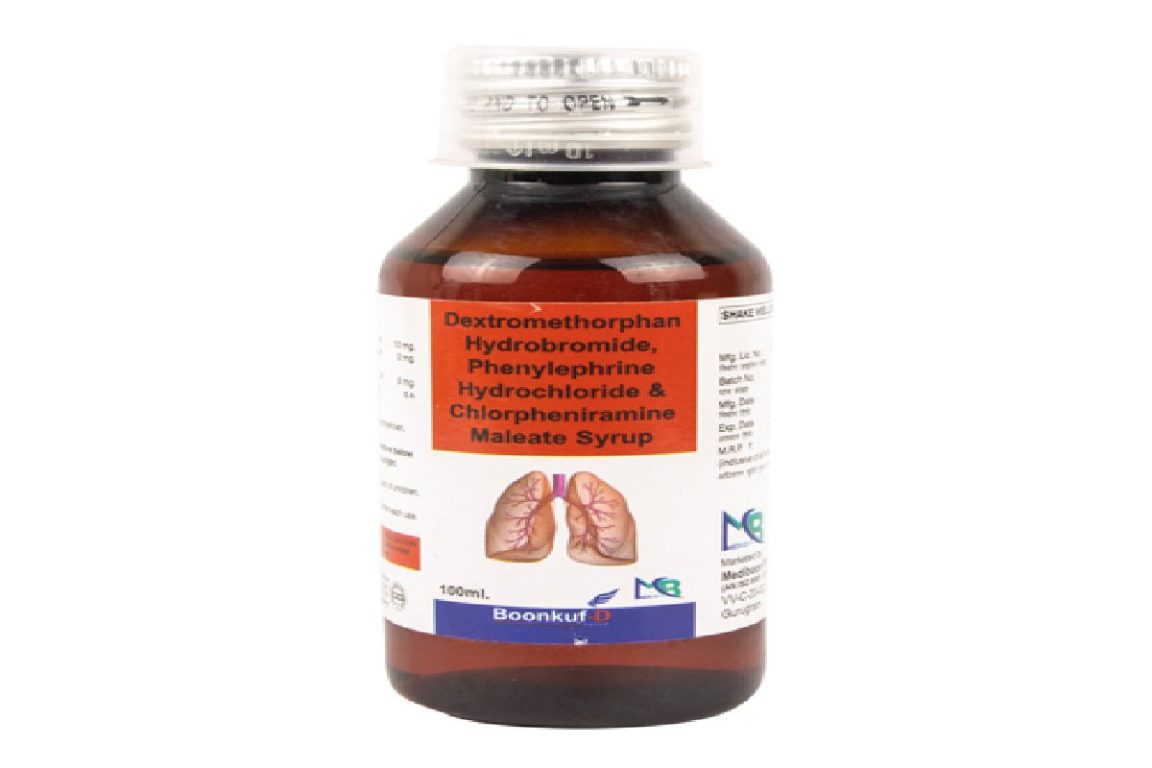
Dextromethorphan hydrobromide and chlorpheniramine maleate syrup is mainly used for dry cough with allergy-like cold symptoms—but it is often used incorrectly for coughs where it may help less or even be the wrong fit.
If you have a cough, a runny nose, and that annoying throat tickle that keeps coming back, this syrup can sound like a quick fix. The problem is that many people take it for the wrong type of cough, mix it with other cold medicines, or ignore side effects like drowsiness and dry mouth.
The short answer: this syrup is usually most helpful for dry, irritating cough along with sneezing, runny nose, or allergy-like upper respiratory symptoms. It is not always the best choice for thick mucus, chesty cough, or breathing-related cough.
Key Takeaways
- This syrup is commonly used for dry cough, especially when cold or allergy symptoms happen at the same time.
- Dextromethorphan helps reduce the urge to cough.
- Chlorpheniramine maleate helps with sneezing, runny nose, and throat irritation linked to allergies or colds.
- It can cause sleepiness, dizziness, and dry mouth, so it is not ideal before driving or focused work.
- It should be used carefully with other cough/cold medicines, alcohol, sedatives, and some antidepressants.
- If symptoms worsen or do not improve, medical advice is a smarter move than repeatedly changing syrups.
What Is Dextromethorphan Hydrobromide and Chlorpheniramine Maleate Syrup?


This syrup is a combination medicine used to relieve certain upper respiratory symptoms. It combines one cough suppressant and one antihistamine.
That matters because it is designed to treat a pattern of symptoms, not just “any cough.”
What Dextromethorphan Does
Dextromethorphan hydrobromide is a cough suppressant. It works on the cough center in the brain to reduce the urge to cough.
That means it is generally more useful for:
- Dry cough
- Irritating throat cough
- Night cough caused by throat tickle or post-nasal drip
It is often less helpful when your body is trying to bring up mucus.
What Chlorpheniramine Does
Chlorpheniramine maleate is an antihistamine. It helps reduce:
- Sneezing
- Runny nose
- Watery eyes
- Allergy-type throat irritation
It can also help calm the kind of post-nasal drip that keeps triggering cough.
That is why this combination is often used when cough comes with cold or allergy symptoms, not as a one-size-fits-all syrup.
Dextromethorphan Hydrobromide and Chlorpheniramine Maleate Syrup Uses
Here are the most common uses of this syrup.
1) Dry Cough
This is the main use.
If your cough is:
- dry,
- repetitive,
- scratchy,
- or triggered by throat irritation,
this syrup may help reduce the coughing reflex and make rest easier.
This is especially useful when the cough is keeping you awake at night.
2) Common Cold With Sneezing and Runny Nose
This syrup is often used during a common cold, especially when symptoms include:
- dry cough,
- sneezing,
- runny nose,
- nasal irritation,
- watery eyes.
It does not cure the infection itself. It only helps manage symptoms while your body recovers.
3) Allergy-Triggered Cough and Throat Irritation
Some people cough not because of infection, but because of:
- dust exposure,
- pollen,
- weather change,
- allergy-related throat irritation,
- post-nasal drip.
In these cases, chlorpheniramine may help reduce the histamine-driven irritation behind the symptoms.
4) Repeated Throat Tickle Cough
Many people describe this as:
- “a cough that starts from the throat”
- “itchy throat cough”
- “tickle in the throat that won’t stop”
That symptom pattern often responds better to this type of combination than a mucus-targeted cough syrup.
When This Syrup Works Best—and When It’s the Wrong Choice
This is the part most websites skip, and honestly, it is the part users need most.
Best Situations to Use It
This syrup is usually a better fit when:
- Your cough is dry rather than phlegmy
- You also have runny nose or sneezing
- Your throat feels itchy or irritated
- Cough is worse at night
- You suspect cold or allergy irritation, not chest congestion
When It May Not Be Ideal
This syrup may be the wrong choice if:
- You have thick mucus
- You feel chest congestion
- Your cough sounds “wet” or “productive”
- You have wheezing
- You are short of breath
- You have a long-standing chronic cough
- You suspect asthma or another breathing issue
Why? Because suppressing a cough is not always helpful if your body is trying to clear secretions.
Quick “Should I Take This?” Checklist
Use this simple guide:
| Question | If Yes | If No |
|---|---|---|
| Is your cough mostly dry? | This syrup may fit better | It may not be ideal |
| Do you also have sneezing/runny nose? | Combination makes more sense | A simpler option may be enough |
| Is cough worse at night? | Can be more useful | Daytime-only symptoms may need a different approach |
| Do you have thick mucus or chest heaviness? | Be cautious | Better fit if not |
| Are you already taking another cold medicine? | Check ingredients first | Lower overlap risk |
How to Take It Safely
The safest answer is simple: follow the label, prescription, or pharmacist’s instructions exactly.
Different brands may contain different strengths, and using a “standard” dose from the internet is how people accidentally take too much.
General Dosage Guidance
Do:
- Use the measuring cup or spoon provided
- Follow the exact frequency on the label or prescription
- Check if it is meant for adults only or age-specific use
Do not:
- Pour it casually into a household spoon
- Double the dose because “the first one didn’t work”
- Combine it with another cough/cold syrup without checking ingredients
Best Time to Take It
Because chlorpheniramine can cause sleepiness, many people find it easier to take this medicine:
- in the evening
- or before bedtime (if advised and appropriate)
If you need to stay alert for:
- driving,
- office work,
- machine handling,
- study or exams,
this syrup may not be your best daytime option.
How Long Can You Use It?
This is usually meant for short-term symptom relief, not ongoing use for weeks.
If your symptoms keep returning, changing syrups repeatedly is not a strategy. It is a sign to ask why the cough is still there.
Side Effects of Dextromethorphan and Chlorpheniramine Syrup
Like many cough-and-cold combinations, this syrup can help—but it can also cause side effects that users often underestimate.
Common Side Effects
The most common ones include:
- Drowsiness
- Dizziness
- Dry mouth
- Mild nausea
- Blurred vision
- Constipation
- Mild stomach discomfort
Not everyone gets these, but they are common enough that you should plan around them.
Less Common but Important Side Effects
Less common but more concerning side effects can include:
- Unusual restlessness
- Confusion
- Fast heartbeat
- Difficulty urinating
- Excessive sleepiness
- Agitation
These are more likely to matter in:
- older adults,
- people taking multiple medicines,
- people sensitive to antihistamines.
Signs You Should Stop and Seek Medical Advice
Get medical advice sooner if you notice:
- Trouble breathing
- Wheezing
- Swelling or rash
- Severe drowsiness
- Cough lasting longer than expected
- Fever that does not settle
- Chest pain
- Blood in mucus
A cough syrup should not be used to “cover up” symptoms that need proper evaluation.
Who Should Avoid or Use This Syrup Carefully?
This syrup is not equally suitable for everyone.
Children
Children should only take it if age-appropriate and specifically guided by a doctor or the product label.
Do not assume that “a smaller spoon” is safe. Pediatric cough medicine mistakes happen exactly that way.
Pregnant or Breastfeeding Women
If you are pregnant or breastfeeding, this should only be used if your doctor says it is appropriate.
Even common cold medicines deserve caution during pregnancy and lactation.
Older Adults
Older adults can be more sensitive to chlorpheniramine-related effects such as:
- drowsiness,
- confusion,
- urinary difficulty,
- falls,
- blurred vision.
That does not automatically mean “never use it,” but it does mean “use thoughtfully.”
People With Certain Conditions
Extra caution is important if you have:
- Asthma or chronic breathing problems
- Glaucoma
- Enlarged prostate / urinary issues
- Liver problems
- Certain neurological conditions
If the cough is tied to an underlying condition, symptom suppression is only part of the story.
Drug Interactions You Should Not Ignore
This is one of the most overlooked parts of cough medicine use.
1) Other Cold and Flu Medicines
Many “multi-symptom” medicines already contain ingredients for:
- cough,
- allergy,
- sleep,
- congestion.
That means it is easy to accidentally double up.
Real advice:
Before taking this syrup with any other cold tablet or syrup, compare the active ingredients—not just the brand names.
2) Alcohol and Sleeping Tablets
This is a poor combination.
Alcohol and sedating medicines can increase:
- drowsiness,
- poor coordination,
- slowed thinking,
- accident risk.
If you are taking this syrup, adding “just a small drink” is still not a smart move.
3) Antidepressants and Certain Psychiatric Medicines
This is the interaction many users never hear about.
Dextromethorphan can interact with certain antidepressants and psychiatric medicines, especially those that affect serotonin or include MAOI-type interactions.
That does not mean everyone will have a problem—but it does mean this is a “check first” situation, not a “try and see” one.
If you take any long-term prescription medicine, ask:
“Is this cough syrup compatible with my regular meds?”
That one question can prevent a lot of avoidable trouble.
Comparison Table: Is This the Right Type of Syrup?
Here is a practical comparison that makes the choice easier.
| Type of Medicine | Best For | Pros | Cons | Best Fit |
|---|---|---|---|---|
| Dextromethorphan + Chlorpheniramine Syrup | Dry cough + runny nose/sneezing | Covers cough + allergy/cold irritation together | Can cause drowsiness; not ideal for mucus-heavy cough | Night cough, cold/allergy symptoms |
| Plain Cough Suppressant | Dry cough only | Simpler ingredient profile | Does not help sneezing/runny nose | Isolated dry cough |
| Antihistamine-Only Syrup | Allergy symptoms | Helps sneezing/runny nose well | Does not directly suppress cough as effectively | Allergy-first symptoms |
| Expectorant / Mucus Syrup | Wet cough with phlegm | Helps loosen mucus | Not ideal for dry cough | Chesty, productive cough |
Bottom line:
If your symptoms are dry cough + runny nose + sneezing, this combination often makes more sense than choosing only one symptom-targeted medicine.
Real-Life Use Scenarios
These examples are illustrative, but they show where this syrup makes sense—and where it doesn’t.
Scenario 1: Good Fit
You have a dry cough, a runny nose, sneezing, and your throat gets tickly at night.
This is a classic pattern where this syrup may be helpful.
Scenario 2: Not a Great Fit
You have thick mucus, chest congestion, and your cough sounds heavy and wet.
This is the situation where many people take the wrong syrup. A cough suppressant may not be the smartest first choice.
Scenario 3: Needs Medical Advice
You have cough plus wheezing, breathlessness, or repeated coughing for weeks.
This is not a “change the syrup again” problem. This is a “find the cause” problem.
When to See a Doctor Instead of Self-Treating
You should get medical advice if:
- Your cough lasts more than expected
- You have high fever
- You feel short of breath
- You hear wheezing
- You have chest pain
- Symptoms are getting worse instead of better
- The cough keeps coming back again and again
A cough can be caused by many things, including:
- viral infections,
- allergies,
- asthma,
- reflux,
- sinus issues,
- medication side effects,
- lower respiratory infections.
That is why repeating short-term symptom treatment without diagnosis can sometimes delay the real fix.
Final Verdict
Dextromethorphan hydrobromide and chlorpheniramine maleate syrup is most useful for dry cough paired with runny nose, sneezing, and throat irritation—not for every kind of cough.
That is the key distinction most people miss.
If your symptoms match that pattern, it can be a practical short-term option. But if your cough is mucus-heavy, persistent, breathing-related, or paired with more serious symptoms, the better move is not “stronger syrup”—it is better diagnosis.
FAQs
1) What is dextromethorphan hydrobromide and chlorpheniramine maleate syrup used for?
It is mainly used for dry cough along with cold or allergy symptoms like sneezing, runny nose, and throat irritation. It is usually not the best first choice for every mucus-heavy cough.
2) Can I use this syrup for wet cough with phlegm?
Usually, it is less ideal for wet/productive cough. If your body is trying to clear mucus, suppressing the cough may not always be the most helpful approach.
3) Does this syrup make you sleepy?
Yes, it can cause drowsiness, mainly because of chlorpheniramine. That is why many people prefer to take it later in the day if appropriate.
4) Can I take this syrup with paracetamol?
Sometimes yes, but it depends on what else is in the product you are using. The bigger risk is accidentally combining it with another multi-symptom cold medicine that already contains overlapping ingredients.
5) Is this syrup good for night cough?
Yes, it can be useful for night-time dry cough, especially if a throat tickle, runny nose, or post-nasal irritatio
Also Read : HRMS Medicover: Transforming Healthcare Management