
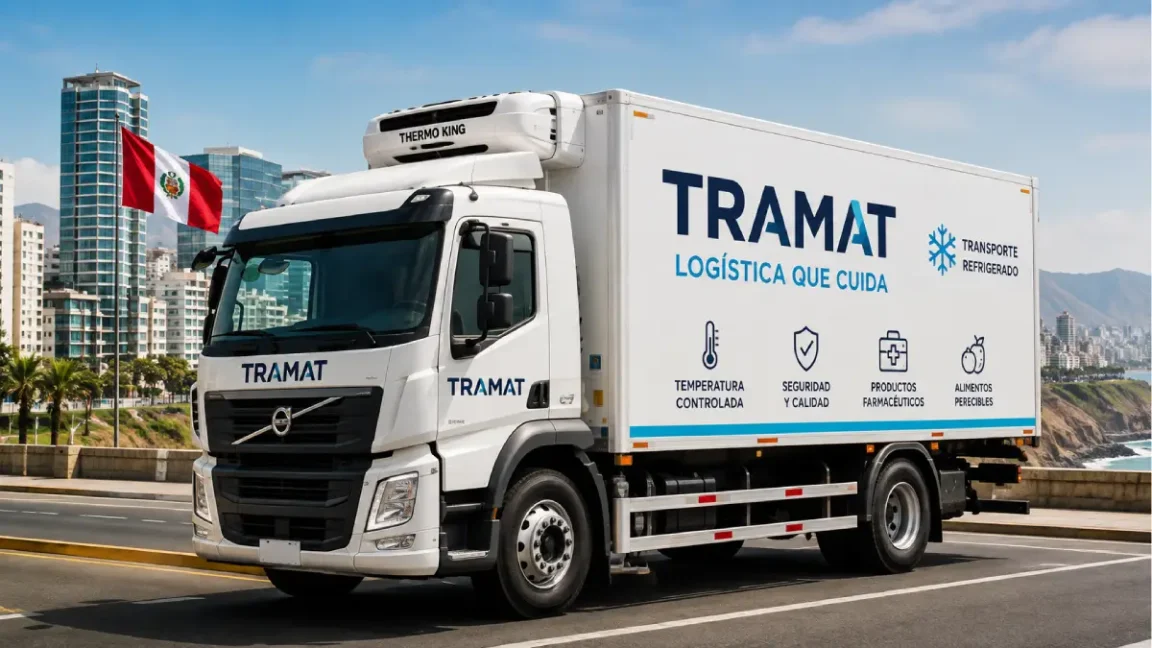
Smart Transportation Saves Temperature- Sensitive Products Cold- chain transportation has never been easier nor more effective than it is today, offering enhanced solutions to preserve freshness of dairy, ice cream, seafood, fruits & veggies, and keep vital lab samples, vaccines, and pharmaceutical cold & steady to make sure the highest standards are upheld at all stages of supply.
One of the companies to serve this sector is TRAMAT, another logistics firm in Peru with expertise in cold supply chain logistics and refrigerated and temperature-controlled logistics services. This involves combining the company’s specializred vehicle with logistics management services in order to help sectors maintain their precise temperature throughout delivery.
I will briefly explain what TRAMAT is, what it offers, the sectors it operates in, and what is temperature controlled logistic for health and food security.
What Is TRAMAT?
TRAMAT (Transportation and Manufacturing – Latin America) is a Peruvian-based company specializing in logistics for items which require consistent cold conditions during transport. Through specialized, refrigerated logistics, TRAMAT aids various industries which are reliant on accurate, undisturbed cold-chain supply chains like the health care system, diagnostic testing sites and laboratories, prescription and vaccine makers and fresh food providers.
Your supply chain is set up to keep suitable storage & delivery conditions that minimize the likelihood of spoilage of temperature & shock sensitive goods at all times in the transport chain.
Why Temperature-Controlled Logistics Matter
Many products lose their effectiveness or quality if exposed to temperatures outside their recommended range.
Examples include:
- Vaccines
- Prescription medicines
- Laboratory specimens
- Blood products
- Dairy products
- Frozen foods
- Fresh fruits and vegetables
- Seafood
- Meat products
Temperature-controlled logistics help preserve these products from the moment they leave storage until they reach their destination.
Featured Services Offered by TRAMAT
Refrigerated Transportation
Refrigerated trucks help maintain low temperatures for products requiring continuous cooling throughout transit.
Typical cargo includes:
- Fresh food
- Frozen products
- Dairy items
- Seafood
- Meat
- Pharmaceuticals
Pharmaceutical Logistics
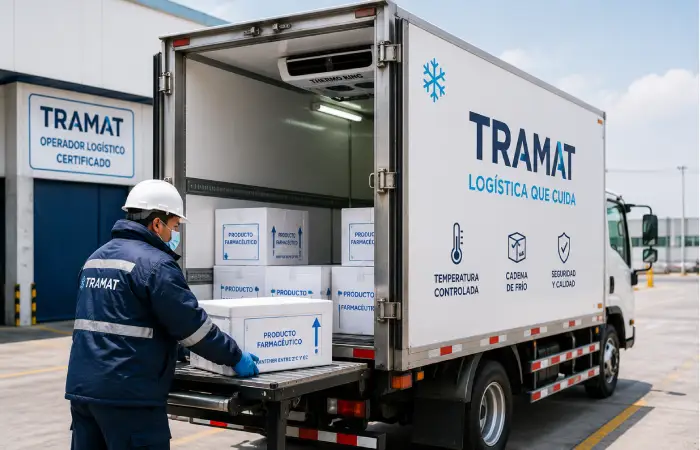
Healthcare products often require strict handling procedures.
These shipments may include:
- Medicines
- Vaccines
- Medical supplies
- Diagnostic kits
- Healthcare equipment
Maintaining temperature stability helps protect product quality during transportation.
Food Transportation
Food products often require refrigerated distribution to help maintain freshness.
Examples include:
- Frozen meals
- Dairy products
- Fresh produce
- Poultry
- Seafood
- Processed foods
Reliable transportation helps businesses deliver products while preserving quality. For more related articles visit our website
Last-Mile Delivery
The final stage of delivery is especially important for products requiring refrigeration.
Temperature-controlled last-mile logistics can help businesses deliver products safely to:
- Hospitals
- Clinics
- Pharmacies
- Laboratories
- Restaurants
- Retail stores
Industries That Benefit from Cold-Chain Logistics
Many sectors rely on specialized transportation.
| Industry | Products Transported |
| Healthcare | Medicines, vaccines |
| Pharmaceutical | Medical products |
| Food Industry | Fresh and frozen food |
| Agriculture | Fruits and vegetables |
| Laboratories | Diagnostic samples |
| Retail | Refrigerated goods |
Benefits of Temperature-Controlled Transportation
Businesses choose specialized logistics because it offers several advantages.
Product Protection
Proper temperature control helps reduce spoilage and product damage.
Regulatory Compliance
Healthcare and food industries often require transportation that follows safety standards.
Better Product Quality
Maintaining consistent temperatures helps preserve product integrity throughout delivery.
Reduced Waste
Lower spoilage rates can reduce financial losses.
Customer Confidence
Reliable logistics contribute to timely deliveries and consistent product quality.
How Cold-Chain Logistics Works
A typical temperature-controlled shipment follows several stages:
- Product preparation
- Temperature verification
- Refrigerated loading
- Controlled transportation
- Continuous monitoring
- Safe unloading
- Final delivery
Every step is designed to minimize unnecessary temperature fluctuations.
Technology Used in Modern Logistics
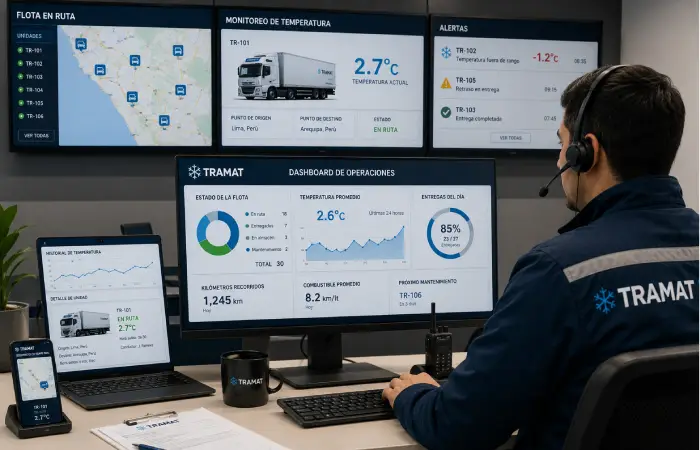
Today’s logistics providers often use technologies such as:
- GPS fleet tracking
- Digital temperature monitoring
- Route optimization software
- Electronic delivery confirmation
- Fleet management systems
- Vehicle maintenance monitoring
These tools improve efficiency and help monitor shipments throughout transit.
Challenges in Cold-Chain Transportation
Managing temperature-sensitive products presents several challenges:
- Traffic delays
- Equipment maintenance
- Weather conditions
- Fuel costs
- Regulatory requirements
- Product handling procedures
Careful planning helps reduce these risks.
Sustainability in Modern Logistics
Many logistics providers are adopting environmentally responsible practices, including:
- Fuel-efficient vehicles
- Route optimization
- Reduced emissions
- Preventive vehicle maintenance
- Digital documentation
- Waste reduction initiatives
Sustainability helps improve operational efficiency while reducing environmental impact.
Frequently Asked Questions
What is TRAMAT?
TRAMAT is a logistics company in Peru specializing in temperature-controlled transportation and cold-chain distribution for industries such as healthcare and food.
What industries use refrigerated logistics?
Healthcare, pharmaceutical, food production, agriculture, laboratories, and retail businesses commonly rely on refrigerated transportation.
Why is temperature-controlled transport important?
It helps protect products that require specific temperature ranges, reducing the risk of spoilage and maintaining product quality during transportation.
What products require cold-chain logistics?
Examples include medicines, vaccines, laboratory samples, dairy products, frozen foods, seafood, meat, and fresh produce.
What technologies support modern logistics?
GPS tracking, digital temperature monitoring, fleet management software, and route optimization systems are widely used to improve transportation efficiency.
Conclusion
Temperature-controlled logistics are essential for protecting sensitive healthcare products and perishable foods during transportation. Companies such as TRAMAT support industries that depend on reliable cold-chain distribution by using specialized vehicles and modern logistics practices. As demand for safe and efficient transportation continues to grow, cold-chain logistics will remain a vital component of healthcare, food safety, and supply chain management worldwide.