
Introduction
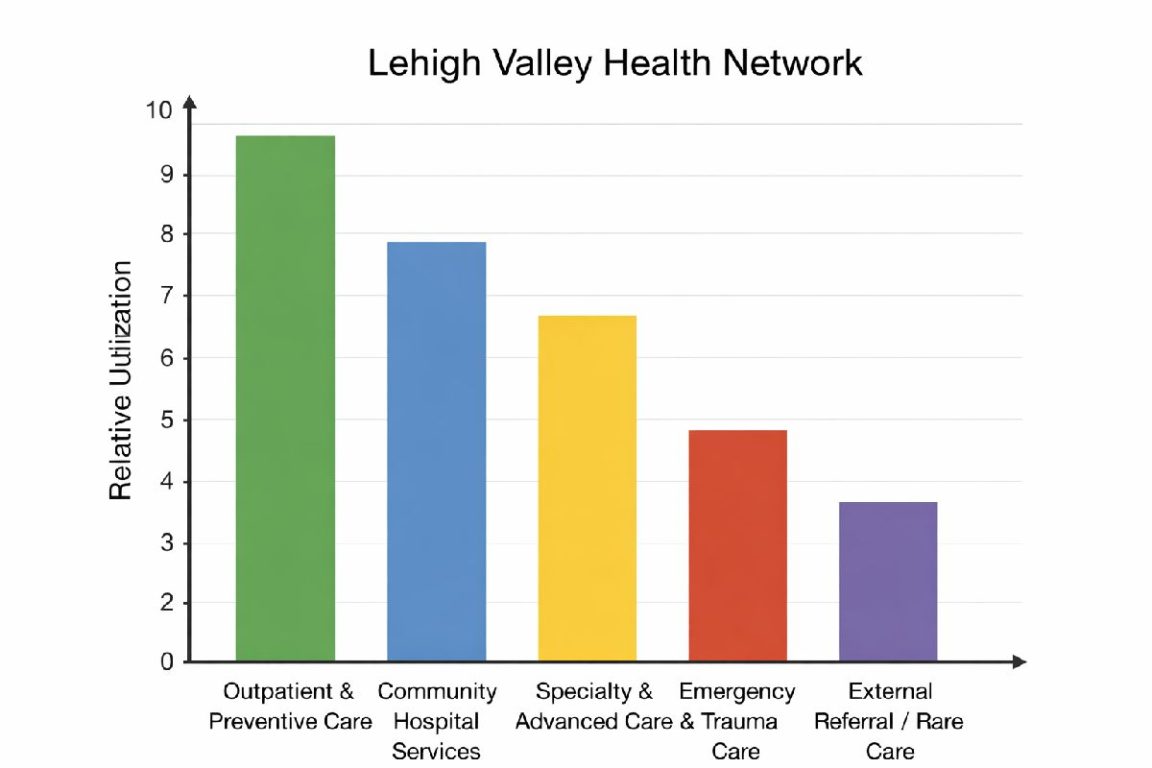
Lehigh Valley Health Network is best understood not as a single hospital system, but as a regionally integrated healthcare ecosystem designed to balance advanced care with community access.
The problem most patients and professionals face is simple: healthcare systems look similar on the surface, but behave very differently in practice. That confusion leads to poor care choices, mismatched expectations, and frustration. The agitation comes when referrals stall, specialists don’t coordinate, or costs feel unpredictable. The solution is understanding how a system is structured, not just what it claims to offer. That is where Lehigh Valley Health Network stands out—and where its limits also matter.
Lehigh Valley Health Network (LVHN) serves eastern Pennsylvania and nearby regions through an integrated network model rather than isolated hospitals.
Key Takeaways
-
LVHN is a coordinated healthcare network, not a standalone hospital
-
Complex care is centralized; routine care is decentralized
-
Academic partnerships influence quality and training
-
Patient experience varies by campus and specialty
-
Best for long-term, coordinated regional care
What Is Lehigh Valley Health Network?
LVHN is a nonprofit health system built around integration. Instead of each hospital functioning independently, clinical data, referrals, and care protocols flow across the network. This matters because outcomes are often determined less by individual doctors and more by how systems coordinate diagnostics, follow-ups, and escalation of care.
In practical terms, LVHN behaves more like a healthcare platform than a collection of buildings.
Hospitals, Campuses, and Geographic Reach
LVHN operates flagship tertiary hospitals alongside community campuses.
-
Flagship centers: Handle trauma, complex oncology, cardiac surgery
-
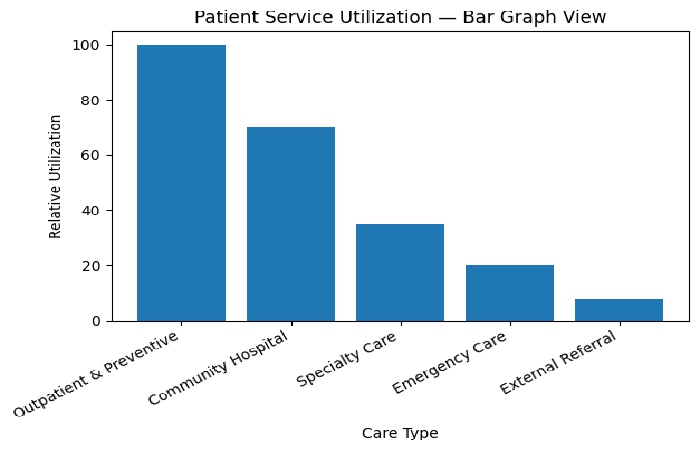
Community sites: Focus on routine care, outpatient services, and stabilization
This hub-and-spoke design reduces unnecessary travel for patients while preserving access to advanced care when needed.
Patient Service Utilization — Bar Graph View
Core Specialties and Centers of Excellence
LVHN is strongest in:
-
Cardiology and vascular care
-
Cancer services
-
Orthopedics and trauma
Its academic partnerships influence evidence-based protocols and clinician training. However, like most regional systems, depth varies by department—some specialties are nationally competitive, others primarily regional.
Patient Outcomes vs Access (Comparative Chart)
| Healthcare Model | Patient Outcomes | Patient Access | Care Consistency | Best Use Case |
|---|---|---|---|---|
| Academic Medical Centers | Very High | Low–Moderate | High | Rare, complex, research-driven cases |
| Lehigh Valley Health Network | High | High | High | Long-term, coordinated regional care |
| Large Community Hospitals | Moderate | High | Moderate | Routine and urgent care |
| Small Local Hospitals | Low–Moderate | Very High | Low–Moderate | Immediate access, basic treatment |
| Private Specialty Clinics | High (narrow scope) | Low | High (limited areas) | Targeted elective procedures |
Patient Experience in Practice (PAS)
Problem: Patients often experience fragmented care across providers.
Agitation: Repeating tests, unclear responsibility, delayed referrals.
Solution: LVHN’s shared records and standardized pathways reduce friction within the network, though coordination outside it can still be challenging.
Careers, Training, and Professional Growth
For clinicians, LVHN offers:
-
Stable patient volumes
-
Teaching exposure
-
Clear advancement paths
Trade-off: innovation may be slower than in elite academic medical centers, but operational stability is higher.
Competitive Comparison: Healthcare Networks by Country
| Country | Major Health Network | Care Model | Pricing Signal | Access Strength |
|---|---|---|---|---|
| USA | Lehigh Valley Health Network | Integrated nonprofit | High variability | Strong regional |
| USA | Mayo Clinic | Academic referral | Premium | National |
| UK | NHS Trusts | Public system | Low at point of care | Universal |
| Germany | Helios Health | Private network | Insurance-driven | High |
| India | Apollo Hospitals | Corporate chain | Tiered pricing | Urban-focused |
Pricing is qualitative and varies by insurance, subsidies, and service line.
Is Lehigh Valley Health Network Right for You?
Good fit if you:
-
Want coordinated care within one regional system
-
Need long-term management of chronic or complex conditions
-
Prefer nonprofit, teaching-aligned healthcare
Not ideal if you:
-
Seek boutique, highly personalized care
-
Require ultra-specialized national referral centers exclusively
Limitations and Honest Caveats
-
Network size can reduce personalization
-
Insurance acceptance varies by plan
-
Regional focus limits national reach
Transparency matters: LVHN is strong, but not universally superior.
FAQs
1. What is Lehigh Valley Health Network known for?
LVHN is known for integrated regional care, strong cardiac and cancer services, and coordinated patient pathways across hospitals.
2. Is Lehigh Valley Health Network nonprofit?
Yes. LVHN operates as a nonprofit healthcare system focused on community-based care.
3. How many hospitals are in Lehigh Valley Health Network?
LVHN includes multiple flagship hospitals and community campuses across eastern Pennsylvania.
4. Is LVHN good for complex medical conditions?
Yes, particularly when care stays within the network and benefits from centralized specialty services.
5. How does LVHN compare to large academic centers?
LVHN offers strong regional care but may refer ultra-rare cases to national academic hospitals.
6. Are costs higher at Lehigh Valley Health Network?
Costs vary by insurance, service line, and campus; nonprofit status does not automatically mean lower pricing.
7. Is Lehigh Valley Health Network good for healthcare careers?
It offers stability, training, and teaching exposure, especially for early-to-mid career professionals.
8. Does LVHN accept most insurance plans?
Many major plans are accepted, but coverage varies—verification is essential.
9. Is LVHN only in Pennsylvania?
Primarily yes, with services concentrated in eastern Pennsylvania and nearby regions.
10. Who should choose LVHN for care?
Patients seeking coordinated, long-term regional care benefit most from LVHN’s model.