
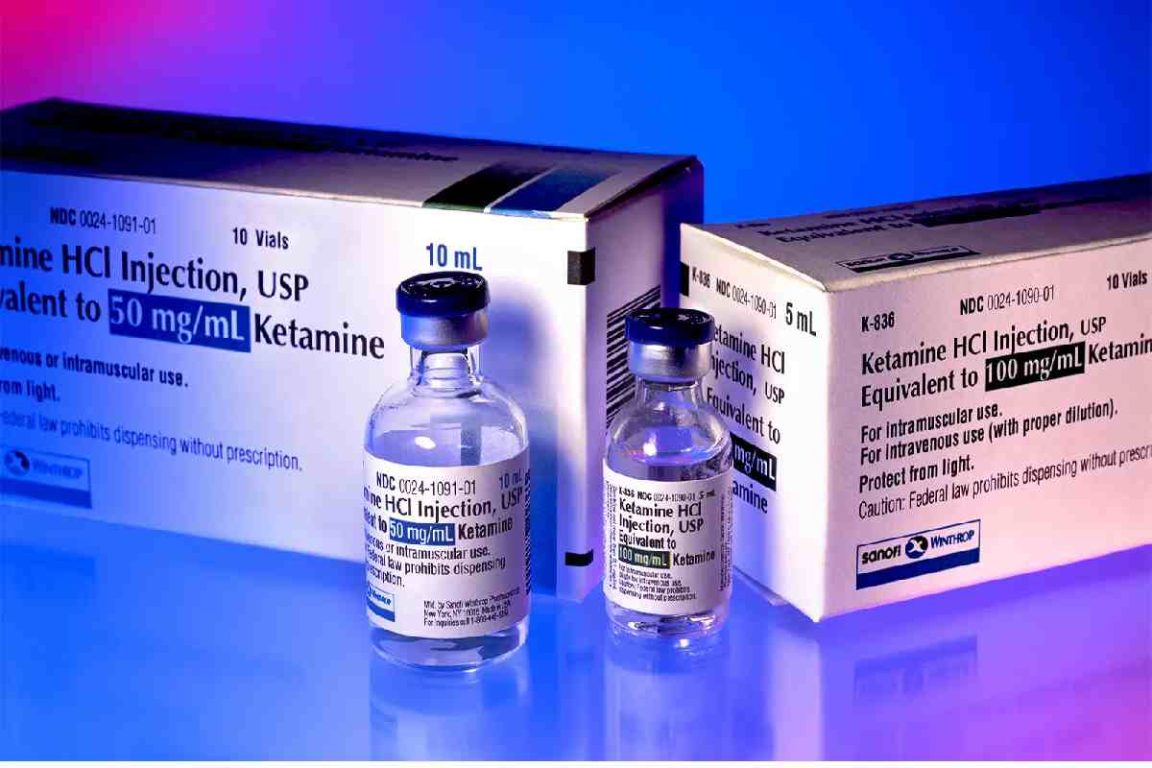
Ketamine injections are widely used in modern medicine not because they are new, but because their unique effects on the brain and nervous system allow doctors to treat anesthesia, severe pain, and treatment-resistant depression in ways many other drugs cannot.
Many people associate ketamine with controversy or recreational misuse. But in hospitals, it remains one of the most versatile medications available. Doctors rely on it in emergency rooms, surgical theaters, and increasingly in psychiatric clinics.
The reason is simple: ketamine works differently from most sedatives and pain medications, allowing clinicians to control pain, sedation, and consciousness while preserving breathing and blood pressure.
Key Takeaways
-
Ketamine injections are primarily used for anesthesia, pain relief, emergency sedation, and treatment-resistant depression.
-
The dose and clinical setting determine the purpose of the injection.
-
Hospitals use ketamine because it maintains breathing and blood pressure better than many anesthetics.
-
Psychiatric ketamine therapy is growing but strictly regulated in most countries.
-
Side effects include dissociation, hallucinations, and blood pressure changes.
-
Medical supervision is essential.
What Is Ketamine Injection?
Ketamine is a dissociative anesthetic medication first developed in the 1960s. It works primarily by blocking NMDA receptors in the brain, which alters how the brain processes pain signals and sensory information.
Unlike traditional anesthetics, ketamine produces a unique state called dissociative anesthesia, where the patient appears awake but is disconnected from pain and surroundings.
Because of this property, ketamine has become an important drug in:
-
Surgery
-
Emergency medicine
-
Pain management
-
Psychiatry
Organizations such as the World Health Organization include ketamine on the Essential Medicines List because of its reliability and safety profile when properly administered.
Main Ketamine Injection Uses in Medicine
Surgical Anesthesia
One of the most common ketamine injection uses is induction of anesthesia during surgery.
Doctors often use ketamine for:
-
Trauma surgery
-
Pediatric surgery
-
Short procedures requiring sedation
Why surgeons use ketamine
-
Maintains breathing reflexes
-
Supports blood pressure
-
Provides strong pain control
This makes it particularly valuable in low-resource settings or emergency surgeries.
Emergency Medicine and Trauma Care
Emergency physicians frequently use ketamine for rapid sedation during urgent procedures.
Examples include:
-
Setting broken bones
-
Intubation procedures
-
Severe trauma stabilization
Unlike many sedatives, ketamine does not significantly suppress breathing, making it safer in chaotic emergency conditions.
This is why organizations such as the American College of Emergency Physicians recommend ketamine for certain emergency sedation cases.
Pain Management
Ketamine injections are also used for severe or chronic pain conditions.
Examples include:
-
Neuropathic pain
-
Complex regional pain syndrome (CRPS)
-
Cancer-related pain
Low-dose ketamine can interrupt pain signaling pathways, offering relief when opioids or other painkillers fail.
Treatment-Resistant Depression
In recent years, ketamine has gained attention as a treatment for severe depression that does not respond to traditional antidepressants.
Research from institutions such as Yale University and the National Institute of Mental Health shows ketamine can produce rapid antidepressant effects within hours, compared to weeks for conventional medications.
Ketamine therapy is typically administered as:
-
Intravenous infusion
-
Intramuscular injection
However, these treatments are highly regulated and must occur under medical supervision.
How Ketamine Works in the Body
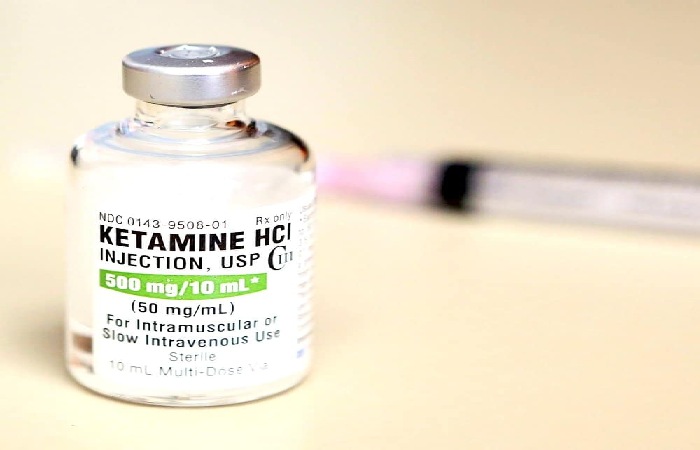
Ketamine acts primarily on NMDA receptors, which play a role in:
-
Memory
-
Pain processing
-
Mood regulation
Blocking these receptors leads to several effects:
-
Dissociation from sensory input
-
Pain signal interruption
-
Increased glutamate signaling linked to antidepressant effects
This unique mechanism explains why ketamine can serve multiple medical purposes depending on dosage.
Ketamine Injection Dosage and Clinical Context
The purpose of ketamine changes significantly depending on dose.
| Dose Level | Medical Use | Typical Setting |
|---|---|---|
| Low dose | Pain control | Pain clinics |
| Moderate dose | Procedural sedation | Emergency rooms |
| High dose | Surgical anesthesia | Operating rooms |
Administration methods include:
-
IV injection – fastest effect
-
IM injection – used when IV access is difficult
Comparison Table – Ketamine vs Other Anesthetics
| Drug | Primary Use | Advantages | Disadvantages |
|---|---|---|---|
| Ketamine | Anesthesia & sedation | Maintains breathing, strong analgesia | Hallucinations possible |
| Propofol | Surgical anesthesia | Smooth sedation | Can suppress breathing |
| Midazolam | Sedation | Short-acting | Limited pain relief |
| Morphine | Pain control | Powerful analgesic | Risk of respiratory depression |
Ketamine Injection Prices by Country
Approximate medical costs can vary significantly by country.
| Country | Avg Price per Dose | Availability | Regulation |
|---|---|---|---|
| United States | $40–$100 | High | Controlled substance |
| UK | $30–$80 | High | Strict medical use |
| India | $5–$20 | Moderate | Controlled |
| Canada | $35–$90 | High | Prescription only |
| Australia | $40–$95 | High | Controlled drug |
Prices vary based on hospital setting, dosage, and clinical procedure fees.
Risks and Side Effects
While ketamine is medically valuable, it also carries risks.
Short-term side effects
-
Dizziness
-
Hallucinations
-
Increased blood pressure
-
Nausea
Long-term risks
-
Bladder damage with misuse
-
Cognitive issues
-
Addiction potential
Medical institutions such as the U.S. Food and Drug Administration (FDA) warn that ketamine should only be used under professional supervision.
Alternatives to Ketamine Injections
Several drugs may be used instead of ketamine depending on the clinical goal.
| Drug | Use Case | Pros | Cons |
|---|---|---|---|
| Propofol | Surgery | Rapid sedation | Breathing suppression |
| Dexmedetomidine | ICU sedation | Calm sedation | Slower onset |
| Opioids | Pain control | Strong analgesia | Addiction risk |
| Benzodiazepines | Anxiety & sedation | Relaxation | Limited pain relief |
Dos and Don’ts When Considering Ketamine Therapy
Do
-
Seek treatment from licensed medical providers
-
Discuss medical history with doctors
-
Follow clinical dosing guidelines
Don’t
-
Attempt self-medication
-
Combine ketamine with alcohol or sedatives
-
Use outside medical supervision
Future of Ketamine in Medicine
Researchers are exploring new ketamine applications, including:
-
Advanced depression treatments
-
PTSD therapy
-
Chronic pain management innovations
The National Institutes of Health and multiple universities are currently studying how ketamine may reshape psychiatric treatment.
What is a ketamine injection used for?
Ketamine injections are primarily used for anesthesia, pain relief, emergency sedation, and treatment-resistant depression. The specific use depends on dosage and medical setting.
Is ketamine injection safe?
Yes, when administered by medical professionals. Hospitals use ketamine because it maintains breathing and blood pressure better than many anesthetics.
Can ketamine treat depression?
Ketamine has shown rapid antidepressant effects in treatment-resistant depression. However, therapy must be performed under medical supervision.
How fast does ketamine injection work?
Ketamine works quickly. Intravenous injections typically take effect within 30 seconds to 1 minute, while intramuscular injections may take a few minutes.
Is ketamine addictive?
Ketamine can be addictive when misused recreationally. Medical use under supervision carries a much lower risk.
What are the side effects of ketamine injections?
Common side effects include dizziness, hallucinations, nausea, and temporary increases in blood pressure.
Is ketamine legal?
Yes, ketamine is a legal prescription medication in many countries, but it is also classified as a controlled substance due to potential misuse