
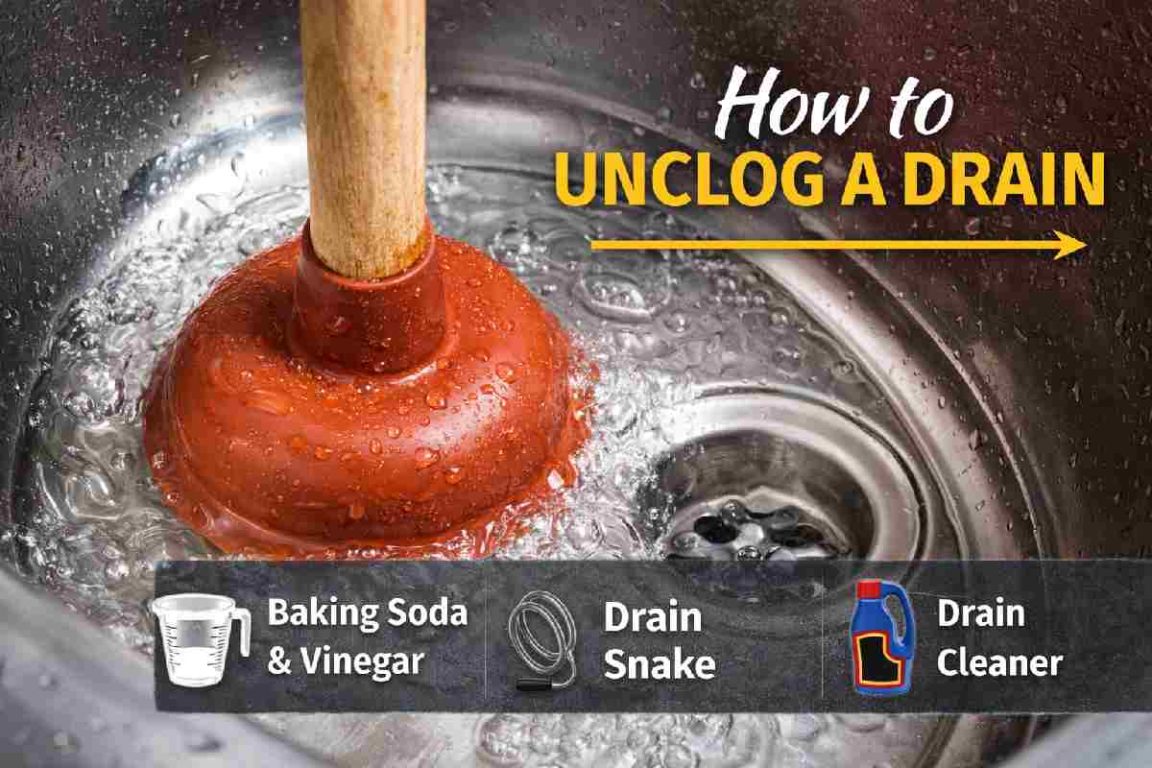
Not all drain clogs are the same. The fastest, safest fix depends on what’s causing the blockage, where it’s located, and how severe it is.
If you’ve ever tried to unclog a drain and made it worse, you’re not alone. Most advice online treats every clog like a minor inconvenience—pour something, plunge it, move on. In reality, the wrong method can compact debris, damage pipes, or turn a small blockage into a costly plumbing emergency.
The solution is not more effort—it’s better diagnosis.
Key Takeaways
-
Identify the clog before choosing a method
-
Start with low-risk solutions
-
Chemicals are a last resort, not a first
-
Some clogs signal deeper plumbing issues
-
Knowing when to stop saves money
Why Most Drain-Unclogging Advice Fails
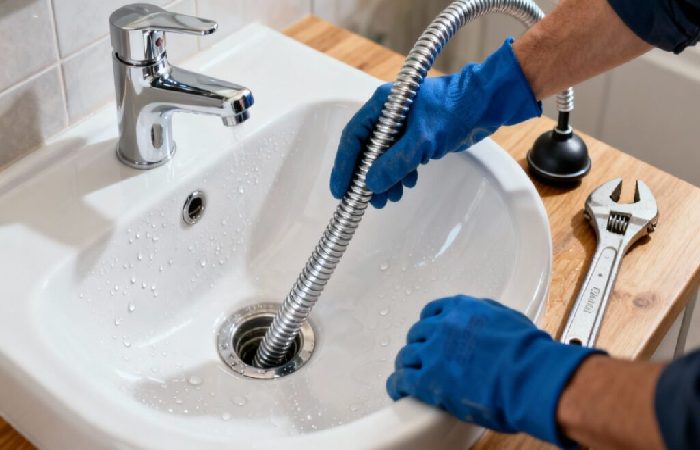
Most guides skip the “why.” They jump straight to fixes without explaining what kind of clog you’re dealing with. Hair, grease, soap scum, food waste, and mineral buildup behave very differently inside pipes.
That’s why one method works perfectly for your sink—but destroys your bathroom drain.
Identify Your Clog Type
Surface Clogs
-
Slow draining but not fully blocked
-
Usually hair or soap near the drain opening
Soft Buildup Clogs
-
Water drains slowly everywhere
-
Caused by grease, oils, or food residue
Deep Blockages
-
Water backs up
-
Multiple drains affected
Structural Problems
-
Recurring clogs
-
Gurgling sounds
-
Sewer smells
If you suspect the last two, stop DIY attempts early.
Safe DIY Methods (In the Right Order)
1. Hot Water Flush
Best for grease and soap buildup.
Avoid for PVC older than 20 years.
2. Proper Plunging
-
Sink: seal overflow hole
-
Floor drain: use flat plunger
-
Shower: remove cover first
3. Baking Soda + Vinegar
Works only for organic buildup—not hair knots or solid debris.
4. Drain Snake (Manual)
-
Go slow
-
Never force resistance
-
Stop if you feel solid obstruction
-
Mix chemical cleaners
-
Use chemicals in old metal pipes
-
Pour boiling water repeatedly
-
Force power augers without experience
These mistakes cause pipe corrosion, not clean drains.
When DIY Stops Working
Stop and call a professional if:
-
Multiple drains clog simultaneously
-
Water backs up into other fixtures
-
You smell sewage
-
The clog returns within days
Professional Drain Cleaning: What Actually Works
-
Motorized augers for deep clogs
-
Hydro-jetting for grease and scale
-
Camera inspection for recurring issues
Country-Wise Drain Cleaning Cost Comparison
| Country | Avg DIY Cost | Pro Service Cost | Notes |
|---|---|---|---|
| USA | $10–$40 | $150–$400 | Hydro-jetting common |
| UK | £10–£30 | £90–£250 | Older pipes need care |
| India | ₹100–₹300 | ₹1,500–₹6,000 | Manual cleaning prevalent |
| Australia | AU$15–$50 | AU$180–$450 | Strict plumbing codes |
| Canada | CA$15–$45 | CA$140–$380 | Winter freeze risks |
Popular Drain Cleaner Brands Comparison
| Brand | Pipe Safety | Best For | Price Range |
|---|---|---|---|
| Drano | Medium | Grease | $5–$10 |
| Liquid Plumr | Medium | Soap buildup | $6–$12 |
| Green Gobbler | High | Eco-safe use | $10–$15 |
| Thrift | Low | Severe clogs | $8–$14 |
| Bio-Clean | Very High | Maintenance | $12–$20 |
Preventing Future Clogs (Simple System)
Kitchen
-
Never pour oil
-
Use sink strainers
-
Monthly hot-water flush
Bathroom
-
Hair catchers
-
Weekly rinse with mild cleaner
Monthly Checklist
-
Inspect slow drains
-
Flush with hot water
-
Clean strainers
Trust & Methodology
This guide is based on real-world plumbing practices, failure analysis of DIY methods, and safety-first escalation logic used by maintenance professionals.
FAQs
How do I unclog a drain naturally?
Start with hot water, then baking soda and vinegar for light organic buildup. Avoid repeated treatments.
Is baking soda and vinegar safe for pipes?
Yes, for occasional use on light clogs. It won’t fix solid blockages.
Can chemical drain cleaners damage pipes?
Yes. Especially older metal or PVC pipes with weak joints.
How do I know if a clog is serious?
Multiple drains backing up or recurring clogs usually indicate deep blockages.
What’s the safest tool for beginners?
A standard plunger used correctly is the safest first tool.
Is hydro-jetting worth it?
Yes for grease-heavy or recurring clogs, but it’s a professional-only solution.
How much does professional drain cleaning cost?
Typically $100–$400 depending on country and severity.
Can I prevent clogs permanently?
You can reduce them significantly with strainers, habits, and monthly maintenance.