
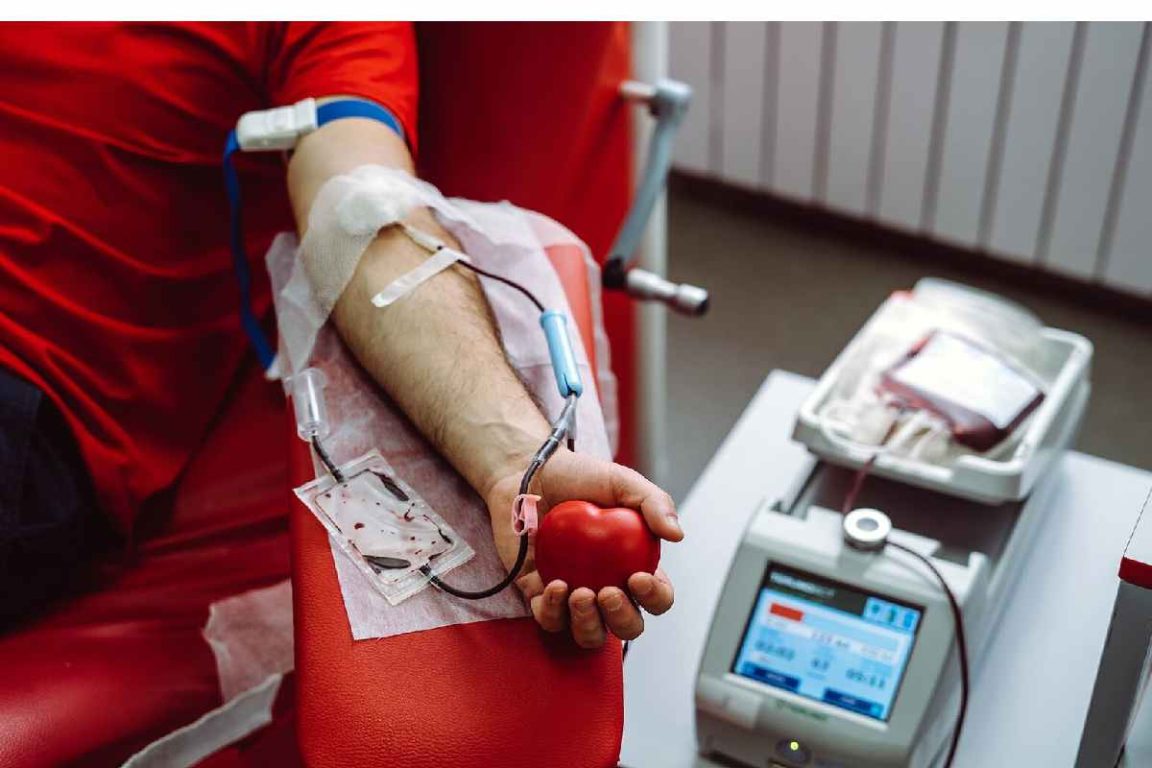
The demand for plasma donations continues to grow as medical treatments increasingly rely on plasma-derived therapies. For individuals looking to contribute to healthcare while earning extra income, donating plasma in Salt Lake City has become a practical and accessible option.
From supporting patients with chronic conditions to providing a steady side income, plasma donation offers both social and financial value. Understanding how the process works, what to expect, and how to prepare can help you make the most of the experience.
What Is Plasma and Why Is It Important?
Plasma is the liquid portion of blood that carries proteins, nutrients, and antibodies throughout the body. It plays a critical role in immune function and is used to create treatments for conditions such as immune deficiencies, clotting disorders, and burn injuries.
According to the U.S. Food and Drug Administration, plasma-derived therapies are essential for thousands of patients worldwide, and demand continues to rise each year.
Unlike whole blood, plasma can be donated more frequently, making it a reliable resource for both donors and healthcare providers.
Why Donating Plasma in Salt Lake City Is Popular
Salt Lake City has a strong network of plasma donation centers, making it convenient for residents to participate. The city’s growing population, student community, and flexible workforce contribute to consistent donor participation.
Donating plasma in Salt Lake City appeals to people for several reasons:
- Access to multiple donation centers
- Competitive compensation programs
- Flexible scheduling options
- Opportunity to support life-saving treatments
With centers located throughout the metro area, donors can often find a location close to home or work.
Eligibility Requirements for Plasma Donation
While requirements may vary slightly by center, most follow similar guidelines. To donate plasma in Salt Lake City, you generally must:
- Be at least 18 years old
- Weigh at least 110 pounds
- Be in good overall health
- Provide valid identification and proof of address
Additional screening includes a medical history review, physical exam, and testing for infectious diseases. These steps are designed to ensure the safety of both donors and recipients.
The Plasma Donation Process
Initial Visit
Your first visit will take longer than subsequent appointments. It typically includes registration, a health screening, and your first donation.
Expect the initial visit to last around 2 to 3 hours.
Ongoing Donations
After your first visit, the process becomes more streamlined. Return visits usually take about 60 to 90 minutes.
How Donation Works
Plasma is collected through a process called plasmapheresis:
- Blood is drawn from your arm
- Plasma is separated from other components
- Red blood cells are returned to your body
Donors can typically give plasma up to twice per week, with at least 48 hours between sessions.
Compensation and Earning Potential
One of the reasons donating plasma in Salt Lake City is so popular is the compensation. While exact amounts vary, typical ranges include:
- $30 to $70 per donation for regular donors
- New donor promotions that can total $500 to $1,000 in the first month
Payments are usually issued through prepaid debit cards. Consistent donors often earn a few hundred dollars per month.
Compensation may vary based on frequency, weight, and promotional incentives.
Benefits of Donating Plasma
Financial Support
Plasma donation provides a steady and flexible source of extra income. This can be especially helpful for students or individuals with variable work schedules.
Contribution to Healthcare
Each donation contributes to therapies that help people with serious medical conditions. This adds a meaningful aspect to the process.
Flexible Scheduling
Most centers offer extended hours, making it easier to fit donations into your routine.
Challenges and Considerations
Time Commitment
Each session requires a dedicated block of time. Consistency is important for maximizing compensation.
Physical Effects
Some donors may experience mild side effects such as fatigue, dehydration, or minor bruising at the needle site. These effects are usually temporary.
Eligibility Restrictions
Certain medical conditions, medications, or recent procedures may temporarily or permanently disqualify you from donating.
Expert Insight: Preparation Improves the Experience
Healthcare professionals often emphasize that proper preparation can make a noticeable difference in the donation experience.
Simple steps such as staying hydrated, eating balanced meals, and getting enough rest can help reduce side effects and improve comfort during the process.
Consistency also plays a role. Regular donors often find that their bodies adjust over time, making each session easier.
Trends in Plasma Donation
Growing Demand for Plasma Therapies
As medical research advances, plasma-derived treatments are being used more widely. This increases the need for regular donors.
Enhanced Donor Incentives
Centers are offering more competitive compensation and loyalty programs to attract and retain donors.
Improved Donation Technology
Modern equipment has made the process faster, safer, and more comfortable than in the past.
Practical Tips for First-Time Donors
If you are planning on donating plasma in Salt Lake City, consider these tips:
- Drink plenty of water before your appointment
- Eat a healthy, protein-rich meal
- Avoid fatty foods before donating
- Bring all required documents
- Plan for extra time during your first visit
Taking these steps can help ensure a smoother experience.
Is Donating Plasma in Salt Lake City Worth It?
For many people, donating plasma offers a balance of financial benefit and social contribution. While it requires time and commitment, the ability to earn consistent income while supporting medical treatments makes it a practical option.
The experience varies from person to person, but those who approach it with preparation and consistency often find it worthwhile.
Conclusion
Donating plasma in Salt Lake City provides an opportunity to support critical healthcare needs while earning extra income. With accessible locations, flexible scheduling, and increasing demand for plasma therapies, it has become a viable option for many residents.
By understanding the process, meeting eligibility requirements, and preparing properly, donors can make informed decisions and have a positive experience.