
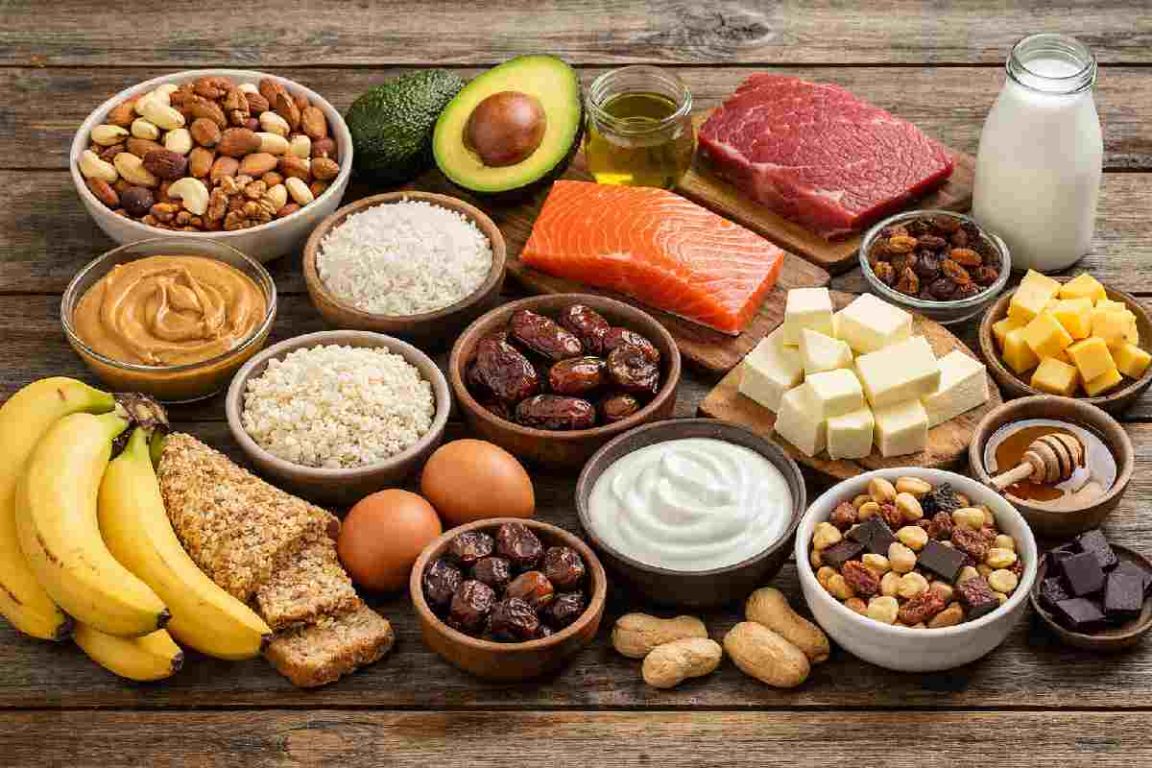
If you’re searching for a calorie rich foods list, chances are you’re trying to do one of three things: gain weight, eat more without feeling stuffed, or increase energy in a healthier way.
That’s where calorie-dense foods help.
What are calorie rich foods?
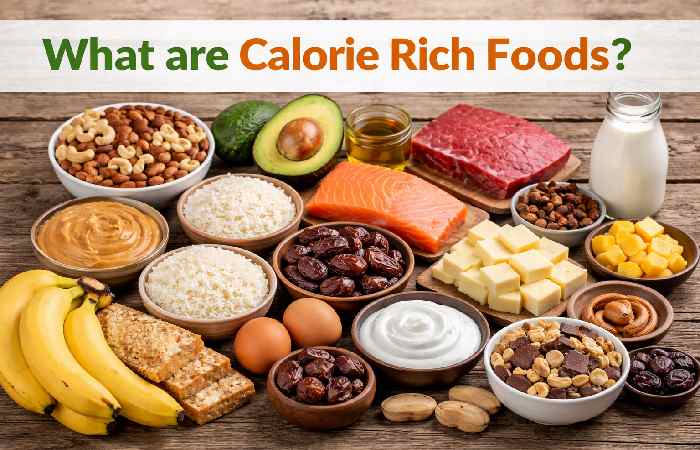
Calorie rich foods are foods that provide a high number of calories in a relatively small portion size.
That matters because some people simply can’t eat huge meals. They feel full quickly, skip meals, or rely on low-calorie foods that make healthy weight gain nearly impossible.
The key is this:
Not all high-calorie foods are helpful.
A better calorie rich foods list includes foods that give you calories + nutrition, not just empty energy.
In this guide, I’ll break down the best calorie rich foods, who they’re useful for, what to avoid, and how to actually use them in real meals.
Who this calorie rich foods list is for
This kind of eating can be useful if you:
- Want to gain weight in a healthy way
- Are trying to build muscle
- Have a fast metabolism
- Struggle with low appetite
- Need to eat more during recovery
- Are tired of eating “clean” but still not eating enough
Who should be cautious
You should be more careful with calorie-dense eating if you:
- Are trying to lose weight
- Have been told to manage cholesterol, blood sugar, or digestive issues
- Have a condition that requires a specific medical diet
- Tend to rely heavily on ultra-processed foods when trying to gain weight
If you have a medical condition or unexplained weight loss, it’s worth speaking with a doctor or dietitian before making major diet changes.
Why calorie-dense foods work better than “just eating more”
A lot of people fail to gain weight because they focus on volume, not calorie density.
For example:
| Food | Approx. Calories | Why It Matters |
|---|---|---|
| 1 cup cucumber | ~16 | Fills space, low calories |
| 1 tablespoon peanut butter | ~95 | Small portion, high calories |
| 1 avocado | ~240 | High calorie + nutrient rich |
| 1 handful mixed nuts | ~170–200 | Easy snack, no prep |
| 1 cup cooked rice | ~200 | Great base for bigger meals |
That’s the real secret:
You don’t always need bigger meals. You need smarter calories.
Calorie Rich Foods List: 35 Best Options
1) Nuts
Almonds, cashews, peanuts, walnuts, pistachios, and pecans are all calorie-dense and easy to snack on.
Why they work:
- High in calories
- Rich in healthy fats
- Easy to carry and store
Best use: Midday snack, trail mix, or with fruit.
2) Nut Butters
Peanut butter, almond butter, and cashew butter are some of the easiest ways to add calories quickly.
Try this:
- Add to toast
- Stir into oats
- Blend into smoothies
- Use with banana or dates
Just 2 tablespoons can add nearly 180–200 calories.
3) Seeds
Chia seeds, flaxseeds, pumpkin seeds, sunflower seeds, and sesame seeds are small but powerful.
Best for:
- Smoothies
- Yogurt
- Oatmeal
- Homemade energy balls
4) Avocados
One avocado can add a few hundred calories depending on size, plus fiber and healthy fats.
Easy ways to eat more of it:
- On toast
- In wraps
- In rice bowls
- Mashed into sandwiches
5) Full-Fat Milk
Milk is one of the easiest calorie boosters, especially for people who don’t enjoy eating large meals.
Best use:
- With cereal
- In smoothies
- With protein shakes
- Before bed
Liquid calories are often easier than solid food when appetite is low.
6) Greek Yogurt (Full-Fat)
A high-protein, calorie-rich option that works well for both weight gain and muscle building.
Top it with:
- Honey
- Granola
- Nuts
- Fruit
- Nut butter
7) Cheese
Cheese is a simple add-on that can quietly raise your daily calorie intake.
Add it to:
- Eggs
- Sandwiches
- Pasta
- Rice bowls
- Potatoes
8) Eggs
Eggs are one of the best all-round foods on any calorie rich foods list because they also provide high-quality protein.
Best for:
- Breakfast
- Snacks
- Sandwiches
- Meal prep
9) Rice
Rice is cheap, versatile, and easy to digest for many people.
Why it works well:
- Easy to eat in larger amounts
- Great base for calorie-rich meals
- Pairs with protein and fats easily
10) Oats
Oats are often seen as a “fitness food,” but they’re also excellent for healthy weight gain when prepared properly.
Boost them with:
- Milk
- Banana
- Nut butter
- Honey
- Chia seeds
11) Granola
Granola can be surprisingly calorie-dense.
It’s useful when you want:
- Quick breakfast calories
- Crunchy yogurt toppings
- Easy snack additions
Just check labels, because some are more sugar-heavy than nutrient-dense.
12) Bread and Bagels
Bread gets unfairly demonized. If your goal is to increase calories, it can be extremely helpful.
Best options:
- Whole grain bread
- Sourdough
- Bagels
- Rolls
- Toast with calorie-dense toppings
13) Pasta
Pasta is one of the easiest foods for increasing calories without too much chewing or effort.
Make it more calorie-rich with:
- Olive oil
- Cheese
- Creamy sauces
- Ground meat
- Pesto
14) Potatoes and Sweet Potatoes
These are filling, but also useful when paired with calorie boosters like butter, cheese, yogurt, olive oil, or eggs.
15) Olive Oil
This is one of the easiest “invisible calorie” tools.
One tablespoon adds about 120 calories without adding much volume.
Drizzle it over:
- Rice
- Pasta
- Salads
- Vegetables
- Eggs
16) Ghee or Butter
Useful in moderation when you need to raise calories quickly.
Add to:
- Toast
- Rice
- Rotis
- Potatoes
- Cooked vegetables
17) Coconut and Coconut Milk
Coconut is calorie-dense and works well in:
- Smoothies
- Curries
- Rice dishes
- Desserts
18) Bananas
Bananas are one of the easiest calorie foods for people with poor appetite.
Best use:
- With peanut butter
- In shakes
- As a quick pre-workout snack
19) Mangoes
Naturally sweet, easy to eat, and great in smoothies, yogurt bowls, or milkshakes.
20) Dates
Dates are one of the most useful foods when you want calories fast.
Why they help:
- Easy to snack on
- Great in smoothies
- Pair well with nuts and nut butter
21) Raisins and Dried Fruit
Dried fruit is more calorie-dense than fresh fruit because the water is removed.
Great options:
- Raisins
- Apricots
- Figs
- Dates
- Dried mango
22) Dark Chocolate
A simple, calorie-rich snack that can fit into a balanced eating plan.
23) Salmon
Salmon is calorie-dense compared to many lean proteins and also provides beneficial fats.
24) Chicken Thighs
Compared with chicken breast, thighs are often more flavorful and slightly higher in calories.
25) Red Meat
If you eat meat, calorie-rich cuts can help increase intake while also providing protein and iron.
26) Paneer
Paneer is excellent for vegetarian calorie-rich meals.
Easy uses:
- Paneer bhurji
- Sandwiches
- Wraps
- Rice bowls
- Curries
27) Tofu
A solid option for people who want plant-based calories and protein.
28) Beans and Lentils
Beans and lentils are more filling, but still useful because they provide calories + protein + carbs.
29) Hummus
Hummus is one of the easiest ways to add calories to snacks and meals.
Eat with:
- Bread
- Crackers
- Veg wraps
- Sandwiches
30) Protein Smoothies
This is one of the best strategies if you struggle to eat enough.
A simple smoothie can include:
- Milk
- Banana
- Peanut butter
- Oats
- Dates
- Yogurt
That alone can become a high-calorie mini meal.
31) Homemade Shakes
Think beyond “gym shakes.” Homemade shakes are useful for almost anyone trying to increase calories.
32) Trail Mix
A mix of nuts, seeds, dried fruit, and dark chocolate is one of the easiest no-cook calorie snacks.
33) Energy Balls
Usually made with:
- Dates
- Oats
- Peanut butter
- Seeds
- Cocoa
Easy to prep and easy to over-deliver on calories.
34) Full-Fat Curd or Yogurt
A practical everyday option, especially if you want calorie-rich Indian-style meals or snacks.
35) Homemade High-Calorie Sandwiches
One of the most underrated options.
Easy combos:
- Peanut butter + banana
- Egg + cheese
- Paneer + mayo
- Chicken + avocado
- Hummus + olive oil + veggies
How to use a calorie rich foods list without overeating junk
This is where most people go wrong.
They search for “high calorie foods,” then end up eating:
- Too many sweets
- Too much fried food
- Too many empty calories
- Not enough protein
That might increase calories, but it doesn’t always help you feel or perform better.
A better strategy: use “calorie boosters”
Instead of rebuilding your entire diet, add calorie-rich foods to what you already eat.
Examples
- Add peanut butter to toast
- Add olive oil to rice
- Add cheese to eggs
- Add nuts to yogurt
- Add milk instead of water in oats
- Add dates to smoothies
- Add avocado to sandwiches
This is much easier than forcing giant meals.
Sample 1-Day Meal Plan Using Calorie Rich Foods
Breakfast
Oats made with milk, banana, peanut butter, chia seeds, and honey
Mid-Morning Snack
Greek yogurt with granola and nuts
Lunch
Rice, paneer or chicken, vegetables, and olive oil drizzle
Evening Snack
Trail mix + banana shake
Dinner
Pasta or potatoes with eggs, cheese, and avocado
Before Bed
Glass of milk or yogurt smoothie with dates
This kind of structure usually works better than trying to “eat more randomly.”
Common mistakes people make
1) Eating more volume, not more calories
Huge salads and giant bowls of vegetables may be healthy, but they won’t always help if your goal is weight gain.
2) Forgetting protein
Calories matter, but if you want healthy weight gain or muscle gain, protein matters too.
3) Relying only on junk food
Fast food can raise calories, but it usually doesn’t help long-term eating habits or energy.
4) Skipping snacks
If your appetite is small, snacks often matter more than meals.
5) Waiting until you feel “very hungry”
A lot of naturally under-eating people simply don’t get strong hunger cues. A loose meal routine helps more than “eating intuitively” in that case.
Myths vs Facts
Myth: All calorie-rich foods are unhealthy
Fact: Many calorie-dense foods like nuts, eggs, yogurt, avocado, and salmon are highly nutritious.
Myth: You need dirty bulking to gain weight
Fact: Most people do better with a moderate calorie surplus from real foods.
Myth: Smoothies don’t count as real meals
Fact: A well-made smoothie can be one of the easiest ways to increase calories and nutrients.
Myth: Weight gain means eating constantly
Fact: Strategic additions can work better than nonstop eating.
How many extra calories do you actually need?
For many adults, a practical starting point is:
- +300 to +500 calories per day for gradual weight gain
- More may be needed depending on activity, appetite, and body size
That doesn’t mean stuffing yourself. It often means adding just 2–3 calorie-rich foods per day consistently.
That’s what actually works.
Best calorie rich foods if you have low appetite
If eating feels hard, prioritize foods that are:
- Soft
- Easy to chew
- Easy to drink
- Not too bulky
Best low-appetite options
- Smoothies
- Milk
- Yogurt
- Nut butter
- Bananas
- Dates
- Avocados
- Eggs
- Rice
- Oats
These usually work better than trying to force heavy meals.
FAQs
What are the best calorie rich foods for healthy weight gain?
The best options include nuts, nut butter, avocados, rice, eggs, full-fat dairy, oats, dates, salmon, and smoothies because they provide calories along with useful nutrients.
What foods are high in calories but still healthy?
Foods like olive oil, yogurt, nuts, seeds, eggs, paneer, avocado, and salmon are high in calories while still offering protein, healthy fats, vitamins, or minerals.
What should I eat if I’m underweight and not hungry?
Focus on easy foods like smoothies, milk, yogurt, bananas, dates, nut butter, oats, and rice. These are easier to consume than very large meals.
Can I gain weight without eating junk food?
Yes. Most healthy weight gain comes from increasing calories through nutrient-dense foods rather than relying only on fried or highly processed foods.
How can I add calories without eating a lot more food?
Use calorie boosters such as olive oil, cheese, peanut butter, milk, nuts, seeds, and avocado in the meals you already eat.
Final Conclusion
A good calorie rich foods list isn’t about eating random junk or forcing huge meals. It’s about choosing foods that give you more energy, more nutrition, and more progress with less struggle.
Start simple: pick 3 to 5 foods from this list and add them into meals you already eat this week. That small change is usually more effective than trying to overhaul your entire diet overnight.