
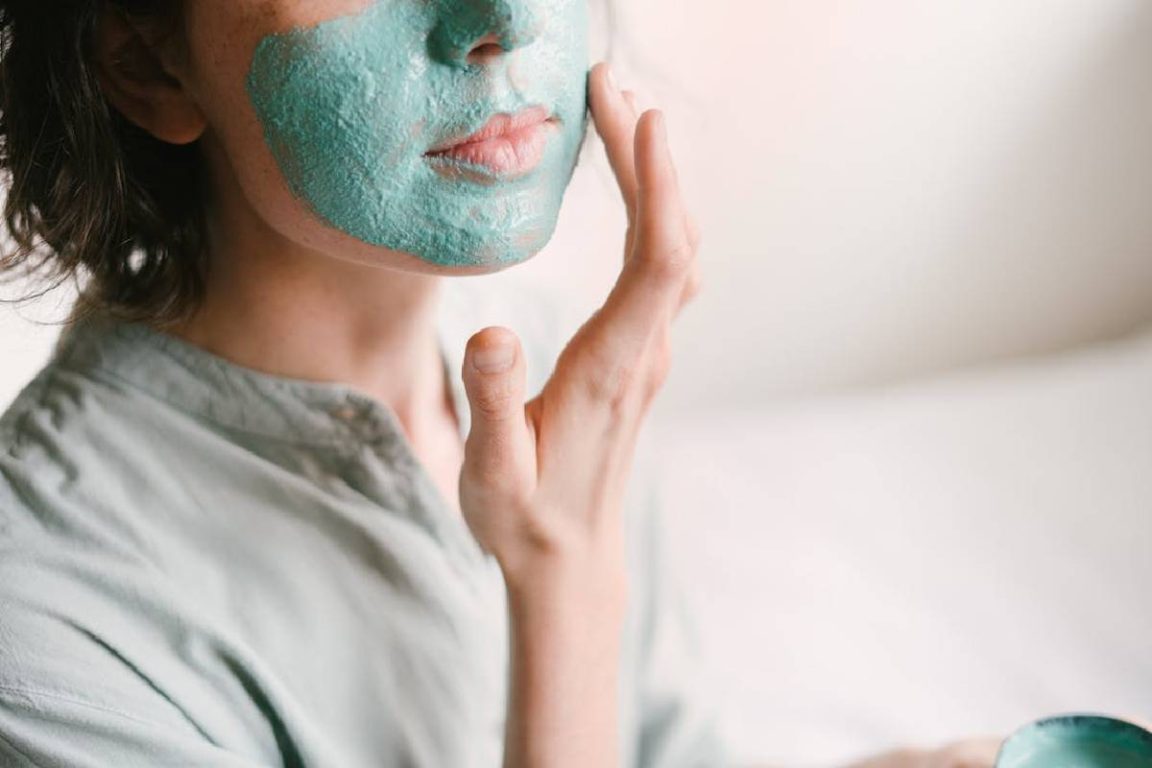
Looking after your appearance during a serious illness is a form of self-care that is far from superficial. When you are going through treatment, changes to your skin, hair, and overall appearance can shake your confidence just when you need it most.
Good dermatological care recognizes both aspects: the physical challenges your skin faces and how those changes affect you emotionally. A thoughtful skincare routine is a way to show yourself compassion and reclaim a sense of normalcy when everything feels uncertain.
How Medical Stress Impacts Skin Health
Your skin responds to the stress of illness in visible ways. Medical treatments and chronic stress weaken your skin’s protective barrier, leading to increased sensitivity, dryness, and irritation that you might not have experienced before. Common medications like chemotherapy agents, corticosteroids, and immunosuppressants often cause side effects including severe dryness, loss of radiance and heightened reactivity.
The environment also plays a role; dry hospital air and interrupted sleep cycles make it harder for your skin to stay hydrated and heal properly. Understanding why your skin behaves differently during this time validates the need for extra gentle care rather than dismissing it as unimportant.
Gentle Beauty Routines for Sensitive Skin
When your skin is vulnerable, simplicity and gentleness should guide your approach. Rather than aggressive treatments, focus on supporting your skin’s natural healing process. Here are the key principles to follow:
- Avoid harsh exfoliants and potent activities that compromise your skin’s protective layer
- Select fragrance-free, dermatologist-approced products that minimize irritation
- Use only essential products to prevent overwhelming stressed skin
Consider using cream-based formulas with hydrating ingredients that cleanse skin without stripping off protective layers. These products will also help rebuild weakened skin barriers and are designed for sensitive skin types.
Beauty as Emotional Resilience and Identity
The psychological benefits of skincare are deeper than surface-level concerns. When illness alters your appearance, maintaining grooming rituals helps preserve your sense of self. Simple practices such as applying moisturizer mindfully, massaging your scalp gently and using a lip balm become anchoring moments that center you in self-compassion rather than fear.
Organizations like Mesothelioma Hope recognize an important truth: maintaining hope and practicing self-care aren’t at odds with facing serious health challenges. They are complementary parts of honoring your whole self, acknowledging that you deserve gentleness and dignity regardless of your diagnosis.
Dermatology-Led Support and Inclusive Beauty
Professional dermatological advice becomes particularly important when treatments complicate your skincare needs. Dermatologists who understand treatment-related skin changes can guide you toward products that work with your medications rather than against them.
Inclusive beauty means everyone deserves effective skincare solutions, regardless of their health journey. Consulting a professional ensures your routine enhances your well-being without creating additional problems, offering personalized strategies that acknowledge your unique medical circumstances and skin requirements.
Redefining Beauty as Compassion
Beauty during illness ultimately means extending compassion to yourself; caring for your skin with patience and informed choices. Skincare integrates naturally into your broader well-being, supporting your sense of dignity, physical comfort, and emotional balance. Treat yourself kindly and remember that these deliberate acts of care represent hope and self-worth during a challenging chapter of your life.