
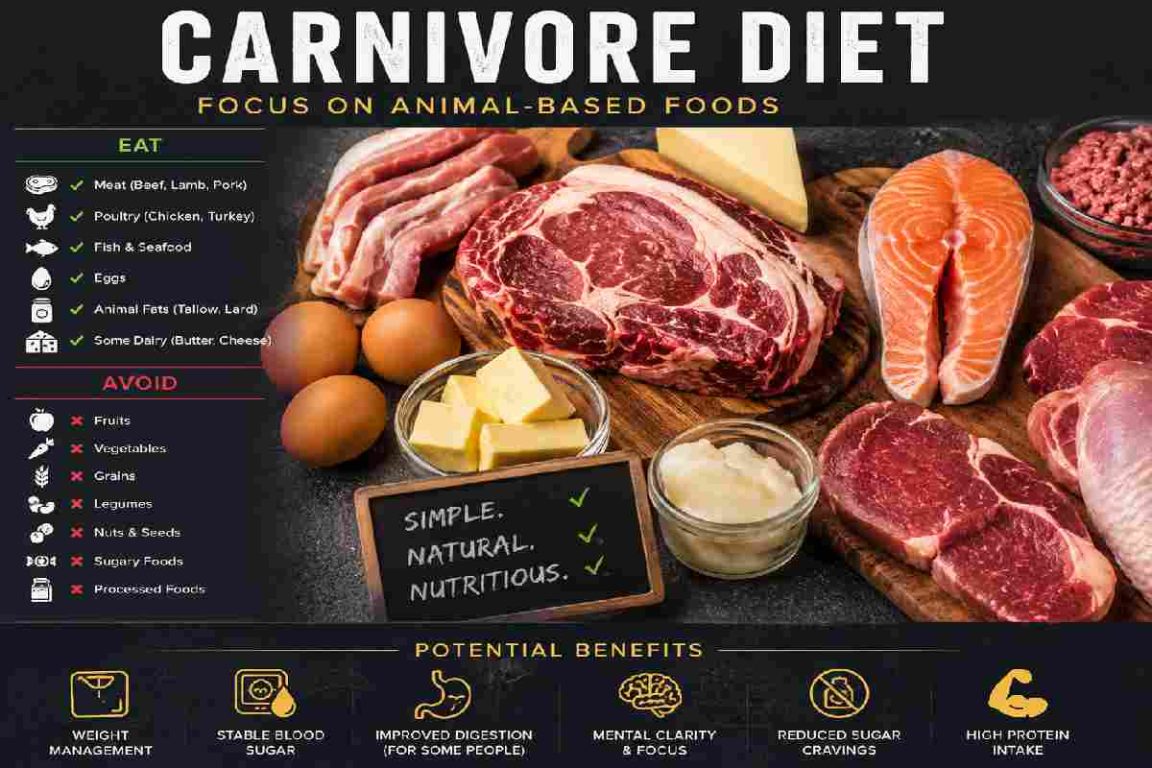
One of the most popular trends in diets in recent years is the carnivore diet. Similar to most restrictive diets, a Carnivore diet emphasizes meat, animal products, and exclude nearly all foods originating from plant.
But he doesn’t fill up on the kind of fruits, whole grains, beans and other vegetable-loaded meal that helps to avoid flare-ups of the chronic disease he suffers from. His supporters also say that the carnivore diet may result in a loss of weight, blood sugar management, the reduction of inflammation, and treatment of autoimmune disease.
But healthcare professionals point out its potentially insufficient balance of nutrition, poor fiber consumption, and overall viability over time.
If you’re planning to incorporate the Carnivore diet into your meal plans, the information that follows outlines the possible rewards, disadvantages, and considerations of doing so. You will discover what the Carnivore diet entails, foods that are consumed and which that are excluded, whether the diet fits your profile and, lastly, what is already identified about its outcomes.
What Is the Carnivore Diet?

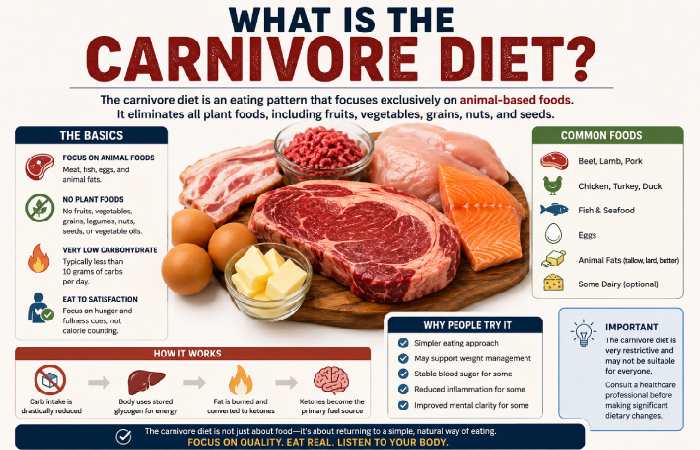
What’s so great about a carnivore diet? Carnivore diet is a way of eating which has gotten rid of almost all vegetables from diet, especially for day to day basis. Normally a Carnivore Diet means eating per day mainly the following foods.
- Beef
- Lamb
- Chicken
- Turkey
- Pork
- Fish
- Seafood
- Eggs
- Animal fats
- Limited dairy (for some individuals)
Whereas a couple of low-carbohydrate diet programs can contain veggies as well as nuts, a carnivore diet plan strives to prevent all but any carbohydrate. Generally, a carnivore diet plans result in consumption of less than 10 grams of carbohydrates per day. Because almost no carbohydrates are consumed, the body eventually converts to burning fat for fuel and produces a substance that produces chemicals known as ketone bodies.
How Does the Carnivore Diet Work?
Normally your body burns glucose (from carbohydrates) as fuel.
If you cut your carbs way down your body may eventually…
•Deplete glycogen stores
•Begin to produce ketone bodies from fat in the liver
•Use ketone bodies as an alternate fuel source
• Continue to burn protein to maintain muscle repair and bodily processes
This is the similar mechanism used in a ketogenic diet but more extreme.
A fifth claimed they’d ‘naturally’ be consuming less calories after the swap, citing that the protein and fat in particular are so filling. “ For some, the effect of more protein is naturally so filling, a person might just be consuming less, without thinking of it, such as: 1. Feeling fuller for longer 2.
Snacking less 3.
Cravings are lower 4. Appetite remains more regulated throughout the day However, everyone will react to this differently and your calorie balance and activity levels, as well as your sleep quality and health condition will determine your weight.
Better Blood Sugar Stability
Since the carnivore diet has very little to no carbohydrates, some may experience less volatility in their blood glucose. Many with insulin resistance have reported: Less extreme fluctuations in blood glucose Less drastic crashes in energy levels Fewer post-meal urges Some report: Less blood sugar dips and peaks Increased energy levels Better appetite regulation More stable sleep Anyone with diabetes should speak to their physician about changing to this type of diet if they are on any glucose lowering medications.
Simpler Meal Planning
Some of the carnivore diet advocates cite a simplified menu as a benefit. Many of the meals have few or no ingredients other than: a protein food animal fat simple seasoning
Reduced Processed Food Intake
Many of the foods removed as part of a carnivore diet include: 1) Sweet treats 2) Sugary beverages 3) Refined grains 4) Ultra-processed snacks and ready meals 5) Sweet treats A decrease in processed foods might result in an overall healthier eating pattern on its own for some individuals.
Reported Improvements in Digestive Symptoms
Many people who notice a flare of their symptoms after eating some plant-based foods can find that removing foods containing one of the following temporarily resolves their discomfort:
* FODMAPs
* Gluten
* Specific fibres
* Plant chemicals that may upset some people
But there’s variation from person to person, and it is by no means required that someone who suffers from gut-friendly disorders avoid plants altogether.
Carnivore Diet vs Keto vs Paleo
| Feature | Carnivore Diet | Keto Diet | Paleo Diet |
|---|---|---|---|
| Meat | ✔ Yes | ✔ Yes | ✔ Yes |
| Fish | ✔ Yes | ✔ Yes | ✔ Yes |
| Eggs | ✔ Yes | ✔ Yes | ✔ Yes |
| Vegetables | ✘ No | ✔ Yes | ✔ Yes |
| Fruits | ✘ No | Limited | ✔ Yes |
| Nuts & Seeds | ✘ No | ✔ Yes | ✔ Yes |
| Dairy | Limited | Usually Allowed | Mostly Avoided |
| Grains | ✘ No | ✘ No | ✘ No |
| Legumes | ✘ No | Mostly No | ✘ No |
| Fibre Intake | Very Low | Moderate | Higher |
| Restrictiveness | Very High | Moderate | Moderate |
Which Diet Is Most Restrictive?
Compared to the three plans below, carnivore is likely the strictest, cutting out pretty much all foods derived from plants. Some people enjoy this way of eating for its ease, but it’s definitely hard for others to sustain long-term.
Understanding Realistic Expectations
It should also be stressed that this diet isn’t a surefire fix for either losing weight or improving overall health. For some, changes can happen relatively quickly (within a few weeks). For others, changes might be quite slow or slow going; and for still others, they may find the diet unsustainable. Ultimately, the way you fare will vary based on your:
Individual circumstances
Existing health conditions
Level of activity
Sleep habits
Total calorie consumption
Individual nutrition needs
Personal health history
Remember to also practice and prepare to live up to realistic expectations and work with an expert prior to implementing significant lifestyle adjustments.
Foods to Eat on the Carnivore Diet
The carnivore diet is a plant based diet but focused heavily on animal products. This diet focuses on eating the least amount of food and the most natural and nutritious animal meat products as possible to optimize protein, healthy fats, vitamins, and minerals. Most individuals will be looking for meat and fatty cuts of meat. Common meats include beef, lamb, goat, pork, bison, deer, and rabbit.
Poultry
Suitable options include:
- Chicken
- Turkey
- Duck
- Goose
- Quail
Whenever possible, use less processed items such as meat and fish. These items tend to include less starch and sugar (if any). Steer clear from breaded and marinated items too.
Fish and Seafood Fish are excellent sources of good omega-3s and protein.
For instance, salmon, mackerel, tuna, trout, cod, salmon, herring, mussels, shrimp and oysters. Aim to eat one to two oily fish twice a week. Eggs There is abundance of good nutrients and vitamins in eggs, such as healthy fats, protein, selenium, vitamin B12 and choline. They can be boiled, fried, poached and scrambled as there are few carb additions needed.
Animal Fats Several types of cooking fats ( derived from animal fats) could also be utilised on low-carb diets such as; Ghee, Lard, Butter, Tallow and similar.
Dairy (Optional)
Dairy choices If some variety of the carnivore diet will incorporate dairy then there are particular dairy choices that could be good: Full fat Greek yogurt Hard cheese Heavy cream butter Cheese Some hard cheese, cheddar and gouda have basically none and may be considered a food item that fit the boundaries. Some may choose to remove all together when the individual may be unable to digest dairy products.
Foods to Avoid on the Carnivore Diet
Nearly all food derived from plants is eliminated from the diet. Foods you should avoid include: bread rice pasta oats breakfast cereal potatoes sweet potatoes beans lentils chickpeas fruit vegetables nuts seeds vegetable oils sugar cake biscuits fizzy drinks fruit juices alcohol (usually) Due to these restrictions, some thought needs to be put into meal plans to prevent nutritional deficiencies from occurring.
Carnivore Diet Food List
| Eat Freely | Eat Occasionally | Avoid |
|---|---|---|
| Beef | Cheese | Bread |
| Lamb | Cream | Rice |
| Chicken | Greek yoghurt | Pasta |
| Fish | Butter | Vegetables |
| Eggs | Ghee | Fruit |
| Pork | Liver | Beans |
| Seafood | Bone broth | Lentils |
| Animal fats | Organ meats | Sugary foods |
7-Step Carnivore Diet Workflow for Beginners
Beginning a restrictive diet might seem like an uphill battle, but using a plan to get started can make the transition much smoother.
Step 1: Eliminating Carbohydrate Rich Foods
Begin phasing out drinks, candy, processed grains, snacks, etc that are rich in carbohydrates.
Step 2: Filling Your Kitchen with Animal foods
Restock your kitchen with meat, eggs, fish, and animal based fats that will make cooking less time consuming.
Step 3: Staying Hydrated
Drinking enough water is crucial as dropping your carb intake has a drying effect on the body.
Step 4: Maintaining Electrolytes
Some people feel more successful if they are consistent with getting their sodium, potassium, and magnesium intake especially within the first few weeks.
Step 5: Eating until you are full
Instead of counting calories many follow the guide to simply eating until they are full, through consuming protein and fats.
Step 6: tracking your progress
Keep a journal of:
your energy levels
your hunger levels
digestion changes
weight changes
physical capabilities
Step 7: evaluate and analyze
After a couple of weeks on the diet take a break and evaluate if the diet is sustainable, fun, and is still a good choice for your lifestyle.
Sample One-Day Carnivore Diet Meal Plan
| Meal | Example |
|---|---|
| Breakfast | Scrambled eggs cooked in butter with bacon |
| Mid-Morning | Bone broth |
| Lunch | Grilled ribeye steak |
| Snack | Boiled eggs |
| Dinner | Baked salmon with butter |
| Drinks | Water, sparkling water, black coffee (optional), plain tea |
What Results Can You Realistically Expect?
Individuals may have completely different experiences.
Week 1: Some people have observed: Loss of water weight Decreased appetite A period of fatigue while adjusting the body Thirst Week 2–4: Some may experience a greater feeling of being satisfied. Energy may become more balanced Improved blood sugar levels in some Improved ability to plan meals Week 5 and on: Outcome depends upon a wide array of factors such as food quality and quantity, physical activity levels, sleep patterns, individual medical history, and total intake of nutrients. There have been very few studies of the long-term effects of a carnivore diet.
Advantages of the Carnivore Diet
Benefits that were commonly cited include: High protein content Quick to assemble meals less processed foods fewer sweets increased satiety help with weight loss steadier blood sugar for many
Limitations and Risks
As with anything gaining popularity, the carnivore diet does come with significant caveats, including: Potentially lack of sufficient fiber May lead to vitamin or mineral insufficiencies may be hard to sustain socially Only limited evidence concerning the safety of the carnivore diet long term Can lead to increased intake of saturated fat may be less varied This article should be used as informational and if you do plan to start any diet that has a restriction on your food choices then you will want to consult with your primary physician.
Who Might Consider the Carnivore Diet?
Some adults may choose the carnivore diet if they:
- Prefer a simple eating routine
- Want to reduce ultra-processed foods
- Are already following a low-carbohydrate lifestyle
- Have discussed dietary changes with a healthcare professional
It should always be approached thoughtfully rather than viewed as a universal solution.
Who Should Avoid the Carnivore Diet?
Carnivore diet might be a poor choice for: Pregnancy and breastfeeding kids Young adults People who have kidney conditions Certain liver conditions Eating disorder Those in need of medical supervision Any of the above: Those advised to have more fiber for digestive conditions Remember always to talk to the health specialist for health modification, particularly if there is a known condition.
Frequently Asked Questions (FAQs)
Is the carnivore diet healthy?
While the carnivore diet may be a solution for a few people, the long-term effects aren’t well understood and the diet shouldn’t be undertaken without doctor guidance.
Can you lose weight on the carnivore diet?
It may cause you to drop some pounds for a while – it’s high in protein and could restrict you enough to naturally decrease your calories – but this is not a given for everyone.
Can you eat cheese on the carnivore diet?
Whether you can consume cheese on the carnivore diet depends on the strictness of the diet. Some follow a stricter version of the carnivore diet and leave dairy out of their meals entirely. Others incorporate full-fat dairy options like butter and cheese.
Is coffee allowed?
It’s common for people on the carnivore diet to still drink black coffee.
But for those following a more strict approach, plant-based beverages may be out altogether.
Can you exercise while following the carnivore diet?
Yes, you can – but athletes may experience some decreased performance in the beginning while adapting to the diet, until their bodies get used to burning fat.
Is the carnivore diet appropriate for everyone?
Because of its extremely restrictive nature, the carnivore diet likely isn’t right for all – and you may want to talk to a doctor about its feasibility before giving it a shot.
Conclusion
Carnivore Diet One of the most restrictive diets out there, the carnivore diet only consists of animal products while severely restricting (or totally eliminating) most plant foods. Proponents claim effects like weight loss, increased fullness, and more stable blood glucose, but there is currently little scientific evidence supporting the diet’s long-term safety or efficacy.